In the realm of overhead cranes, safety and efficiency are paramount. The use of a bolted rail clamp for overhead travelling crane systems offers substantial benefits. According to industry reports, nearly 30% of crane-related accidents are linked to rail instability. A bolted rail clamp can significantly enhance rail stability, reducing these risks.
Statistics indicate that manufacturers experienced a 15% increase in crane operational efficiency by employing robust clamping systems. This underscores the importance of proper rail fastening. The bolted rail clamp for overhead travelling crane not only prevents slippage but also ensures precise alignment. Maintaining consistent alignment is critical for the safety of both personnel and machinery.
Despite the many advantages, the installation and maintenance of a bolted rail clamp require careful consideration. Incorrect installation can lead to unforeseen issues, emphasizing the need for professional expertise. It is vital to assess the specific needs of each crane system to maximize benefits. Investing in high-quality clamps can yield significant returns in safety and productivity over time.
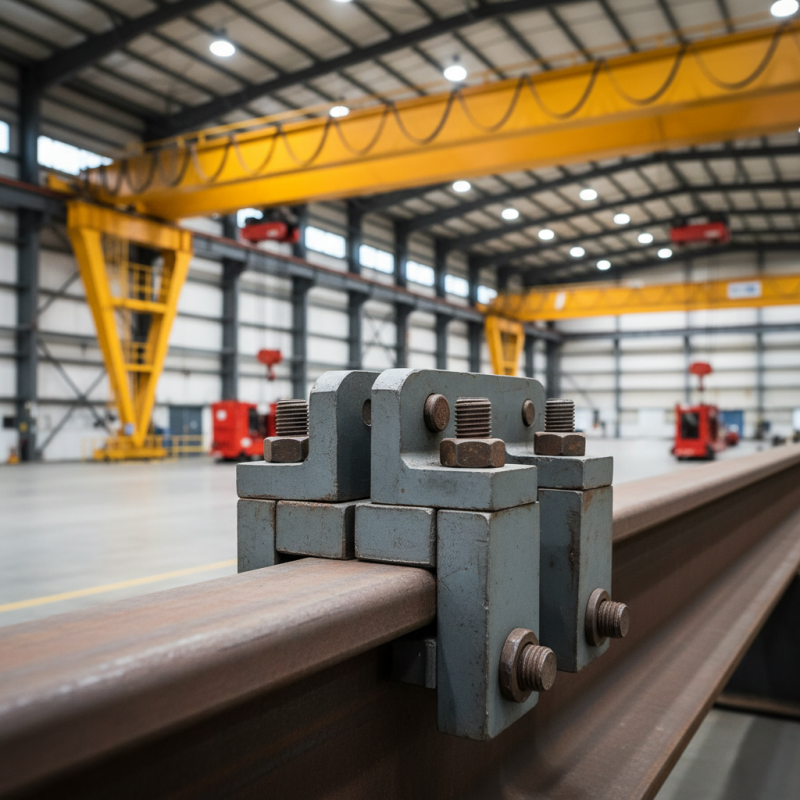
The use of bolted rail clamps in overhead cranes significantly enhances safety features. These clamps secure the rail firmly, minimizing the risk of detachment during operation. A secure rail means better stability of the loads being lifted, which is crucial in preventing accidents on job sites.
Incorporating bolted rail clamps also allows for easy inspections and maintenance. Routine checks ensure that the clamps are functioning properly. This can help identify potential issues before they escalate into serious safety hazards. Regular upkeep is vital. However, some operators may overlook these inspections, thinking they are unnecessary.
The design of bolted rail clamps contributes to a more robust operational framework. They are easy to install and can accommodate various rail types. This versatility is key in different environments. Yet, not all installations may receive the same level of attention. The effectiveness of these safety features depends on proper installation and adherence to guidelines. It's vital for teams to remain vigilant and mindful of these details to fully benefit from the enhanced safety that bolted rail clamps provide.
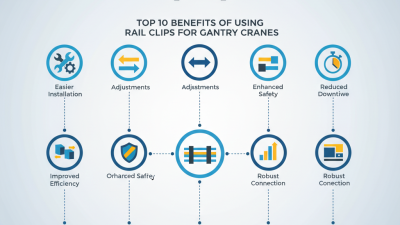
Bolted rail clamps play a crucial role in the operation of overhead cranes. They improve load distribution significantly. When installed correctly, they minimize material stress and enhance stability. This is essential for safe lifting and movement of heavy loads. A stable rail system reduces the risk of derailment. Consequently, the entire crane operation becomes more efficient.
Tips for optimal installation include ensuring proper alignment of the rail. Regular maintenance checks can reveal early signs of wear. Over time, loose fittings can compromise stability. Inspect bolts and clamps regularly, as this can prevent accidents.
Using bolted rail clamps also means having a solid connection between rails. This connection supports uniform load distribution across the entire crane. It helps in reducing vibrations that could lead to potential malfunctions. Not every installation is flawless, so it's wise to review the clamp placement continually. Such attention to detail ensures sustained performance and safety.
When it comes to overhead cranes, maintenance costs can be a significant concern. Utilizing bolted rail clamps can lead to noticeable reductions in these costs. A study from the Crane Safety Institute indicates that improper rail installation leads to 75% of crane maintenance issues. Bolted rail clamps enhance stability and alignment. This effectiveness reduces wear on the entire crane system. Fewer adjustments and repairs are needed over time.
In addition, bolted rail clamps are constructed from high-quality materials like steel, which increases their lifespan. According to the American Society of Mechanical Engineers (ASME), durable components can reduce replacements by up to 30%. This longevity directly translates to cost savings, as companies can allocate their resources more effectively. While some may argue that initial costs can be high, the long-term savings outweigh the upfront investment.
Moreover, the ease of installation and adjustment makes these clamps user-friendly. Maintenance teams can quickly address issues before they escalate. However, regular inspections are still necessary to ensure optimal performance. Precise installations can often be overlooked, leading to potential inefficiencies. By focusing on securing fittings correctly, companies can protect their investments significantly.
| Benefit | Description | Impact on Maintenance Costs |
|---|---|---|
| Durability | Designed to withstand harsh conditions, leading to fewer replacements. | Reduces expenses related to frequent replacements. |
| Ease of Installation | Simplifies installation processes, minimizing labor costs. | Lower labor costs translate to overall reduced maintenance expenses. |
| Reduced Wear | Minimizes wear on crane wheels and rails, extending their lifespan. | Diminished need for wheel and rail replacements lowers costs. |
| Improved Stability | Enhances stability for the overhead crane, ensuring safe operations. | Increased safety reduces potential liability and maintenance risks. |
| Corrosion Resistance | Built with anti-corrosive materials that withstand environmental factors. | Less frequent replacements reduce maintenance-related costs. |
| Customization | Available in various sizes and configurations to fit specific needs. | Tailored solutions reduce unnecessary repairs or modifications. |
| Lower Noise Levels | Designed to minimize noise during crane operations. | Reduced noise can cut down on maintenance inspections and costs. |
| Increased Load Capacity | Enhances the load-bearing capability of cranes, improving efficiency. | Higher efficiency reduces time and costs associated with maintenance tasks. |
| Long-term Reliability | Provides consistent performance over extended periods. | Reduces the incidence of breakdowns and associated repair costs. |
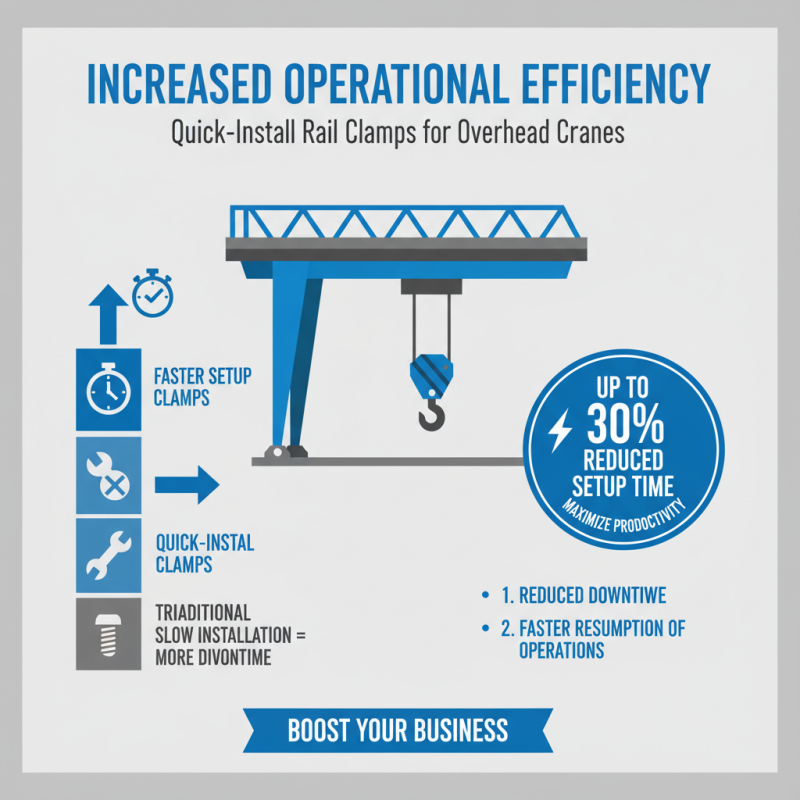
Overhead cranes play a vital role in many industries. The choice of rail clamp can significantly influence operational efficiency. Bolted rail clamps are designed for rapid installation, which can lead to reduced downtime. In fact, reports indicate that quick installation can decrease setup time by up to 30%. This allows businesses to resume operations faster, thus maximizing productivity.
The ease of installation does not merely improve efficiency—it contributes to safety as well. Properly installed rail clamps minimize the risk of misalignment. When rails are secure, the likelihood of accidents decreases. A study showed that organizations that implemented bolted rail clamps experienced a 25% reduction in workplace incidents over two years. Nevertheless, some users express concerns about the long-term reliability of these clamps. Regular inspections are necessary to ensure ongoing safety and performance.
Furthermore, bolted rail clamps are adaptable. They can accommodate various rail sizes and types, making them versatile for different settings. However, not all environments benefit equally from these clamps. Some report challenges in extreme weather conditions. This variability highlights the importance of understanding specific operational needs. An informed choice can lead to more efficient crane systems and enhanced safety standards.
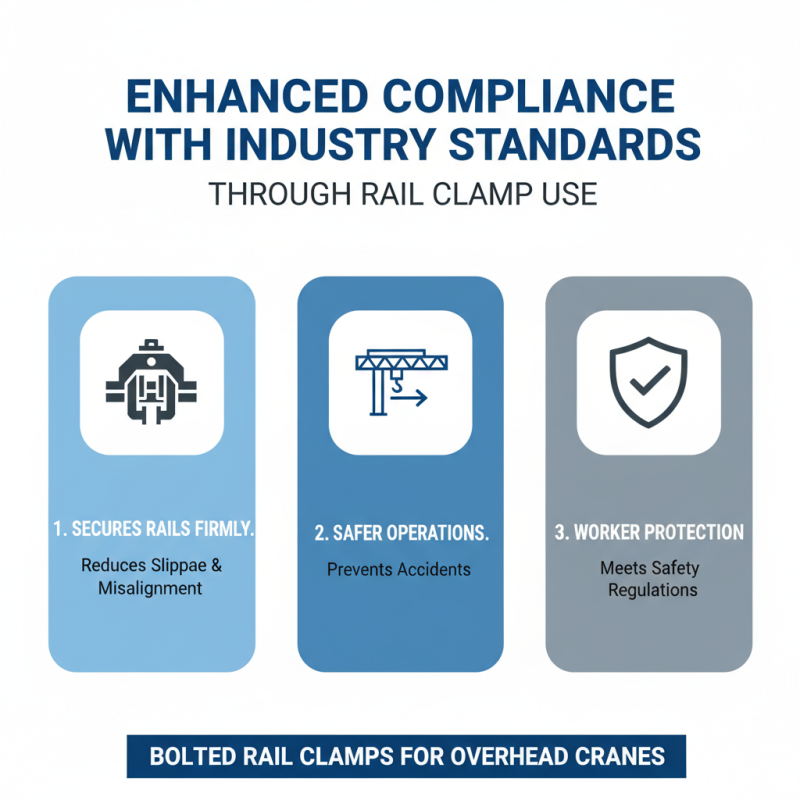
Using bolted rail clamps for overhead cranes can significantly enhance compliance with industry standards. These clamps secure rails firmly, reducing the risk of slippage and misalignment during operations. When rails are properly fixed, it leads to safer working environments. Compliance with safety regulations is critical in preventing accidents and ensuring workers’ protection.
Tips: Ensure regular inspections of rail clamps. Check for wear and tear. Document findings for future evaluations. This helps maintain compliance with industry standards.
Implementing bolted rail clamps may pose challenges. Some might find the installation process daunting. Proper training is essential for personnel. This enhances overall competency and understanding. Having knowledgeable staff can make a significant difference in safety adherence.
Tips: Provide off-site training for workers. Use simulations or hands-on practice sessions. This reinforces skills and builds confidence in using rail clamps effectively.