The Best 10 Railroad Bolt Types for Efficient Track Maintenance?
In the world of railroad maintenance, the choice of components can greatly impact efficiency and safety. Railroad bolts are crucial in ensuring track stability and durability. According to the Association of American Railroads, improper fastening can lead to accidents and costly maintenance shutdowns. A well-installed railroad bolt can enhance the lifespan of rail tracks by minimizing wear and tear.
Research indicates that the right bolt type can decrease track-related failures by nearly 30%. Furthermore, materials and design variations in railroad bolts significantly influence maintenance schedules. For instance, corrosion-resistant bolts can reduce rust-related issues. Yet, many railroads still use outdated bolt types, which often leads to unexpected repairs.
As the industry evolves, it becomes essential to reflect on current practices. Are we utilizing the most efficient railroad bolt types available? This not only affects safety but also the bottom line for rail companies. By evaluating different options, railroads can improve their maintenance strategies and ensure safer travel for millions.
The Role of Railroad Bolts in Track Stability and Safety
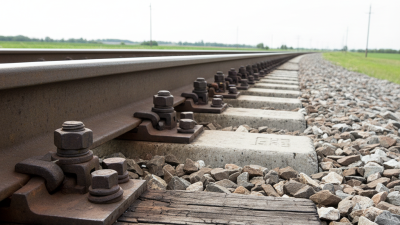
Railroad bolts are crucial for maintaining track stability and safety. Their design allows for secure connections between rails and ties. This secure attachment minimizes the risk of rail misalignment. A small misalignment can lead to serious accidents. The effective use of bolts ensures that the entire structure remains solid, especially under heavy loads.
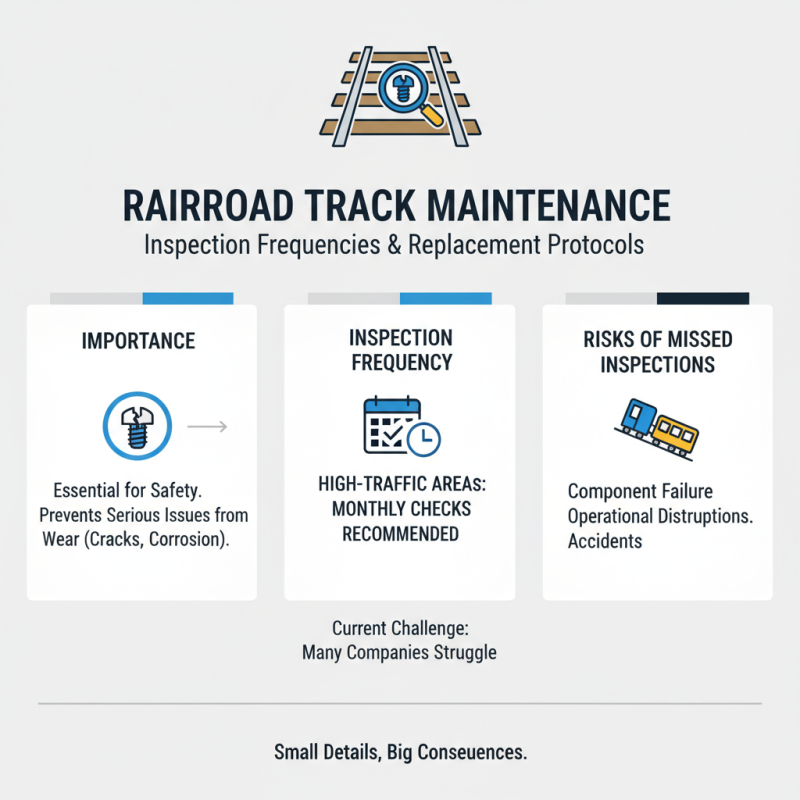
Different types of bolts serve specific functions. Some are made of hardened steel for strength. Others are designed for easier installation and removal. Each type plays a unique role, but their effectiveness depends on proper maintenance. Regular inspections can reveal wear and tear. Ignoring these signs can jeopardize safety.
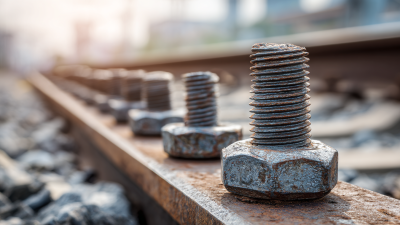
The environment also affects bolt performance. Exposure to moisture can cause rust, weakening the bolts. Adequate lubrication can mitigate this issue. However, some railroads overlook this preventive step. As a result, they may face track instability. This oversight is a reminder of the complexity of maintaining safe rail systems. Each bolt is a small part of a much larger puzzle.
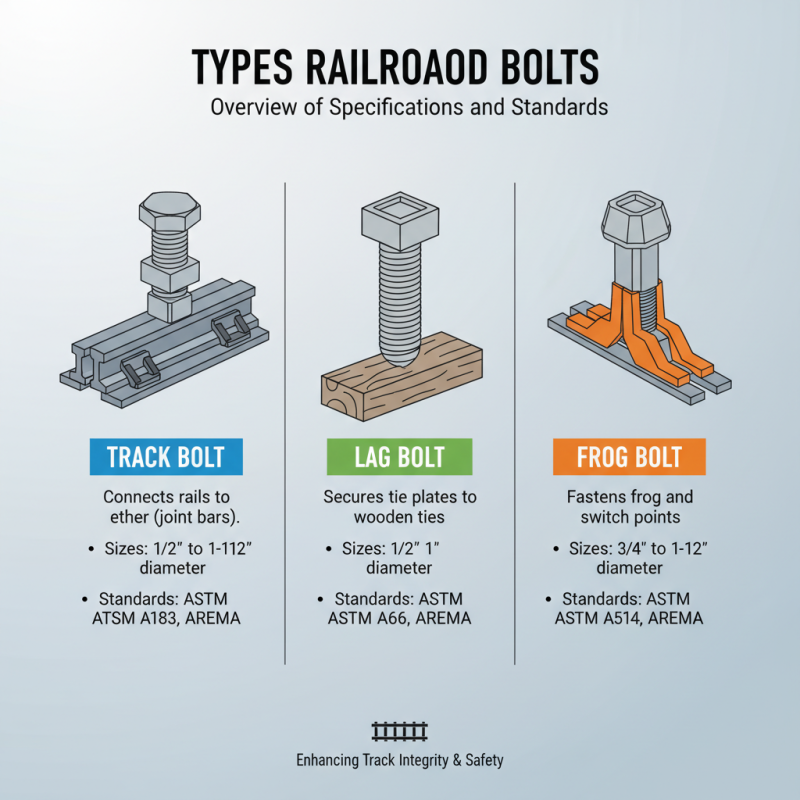
Types of Railroad Bolts: Overview of Specifications and Standards
Railroad bolts play a vital role in track maintenance. These sturdy fasteners connect steel rails to wooden or concrete ties. There are several types of railroad bolts, each with its specifications and standards. Understanding these can enhance track integrity and safety.
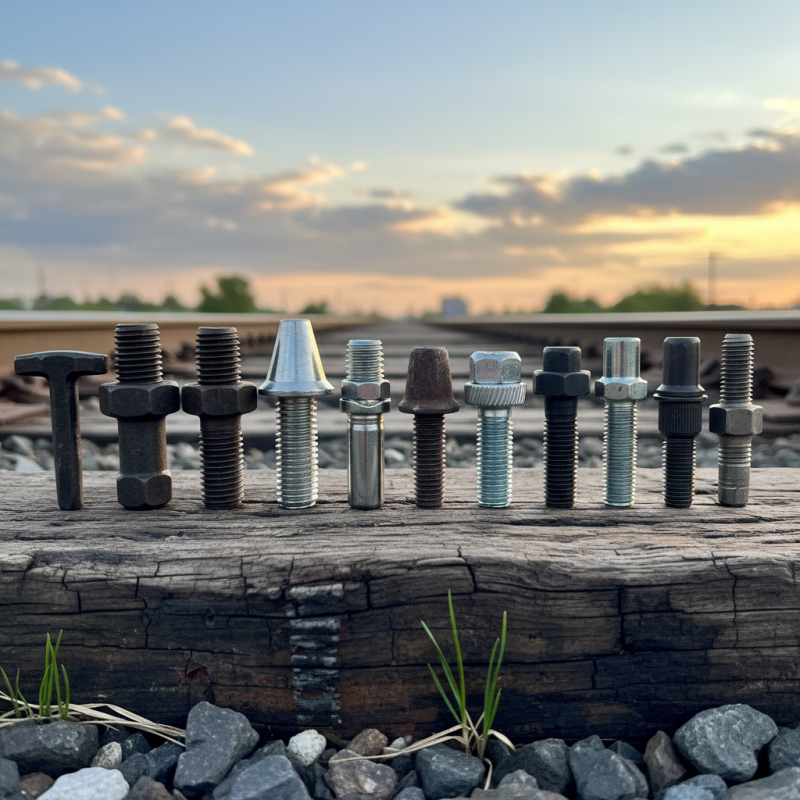
The most common types include lag bolts, carriage bolts, and square head bolts. Lag bolts are often used for their durability. Carriage bolts provide a smooth surface that prevents snagging. Square head bolts are easier to tighten, allowing for efficient installation. Each type meets specific load and weather resistance requirements. However, some may rust or corrode over time. Regular inspections are essential to ensure reliability.
Using the right type of bolt is crucial. Rail networks should consider factors like weight, weather conditions, and maintenance schedules. This decision impacts safety and operational efficiency. In some cases, relying on outdated specifications can lead to costly repairs. Each bolt must be assessed for its condition. Ignoring such details can have dire consequences. Roads need to be safe. Using the best bolts helps achieve that goal.
Material Composition: The Importance of Steel Grades in Durability
When it comes to railroad bolt types, the material composition plays a crucial role. Steel grades determine how durable and reliable a bolt is over time. High-quality steel can withstand extreme conditions, including temperature fluctuations and heavy loads. Standard steel bolts might fail under stress, leading to costly repairs.
Choosing the right bolt involves understanding steel grades. For instance, Grade 8 bolts offer high tensile strength, while lower grades may be susceptible to wear and corrosion. Consider environmental factors. Wet conditions can accelerate rusting on lower-grade steel.
Tip: Always inspect bolts frequently. Look out for signs of wear or rust. It’s better to replace them sooner than later. Regular maintenance can prevent bigger issues down the line.
Remember that not all bolts are created equal. The cost might seem higher for premium options, but durability often outweighs the initial expense. Prioritize quality over quantity. Quality bolts ensure a safer and more efficient track system.
Cost-Benefit Analysis: Evaluating the Economic Impact of Proper Bolt Use
Proper bolt use in railroad maintenance can significantly impact the overall costs involved. Research indicates that improper fastening can lead to a
30% increase in repair costs. Each bolt type serves a unique purpose, affecting everything from stability to the longevity of the track.
The choice of bolts can influence wear and tear, reducing the lifespan of rail infrastructure. In this context,
regular audits of fastening tools may also prove vital.
Economic studies show that a cost-benefit analysis emphasizes the need for diligent maintenance practices. For instance, using
high-quality bolts has been associated with a 20% reduction in derailment incidents.
Wider adoption of effective fastening solutions improves safety and enhances operational efficiency. However, it's crucial to recognize that
all bolts have limits. Regular failure analysis of different types is essential to gauge performance over time. This data informs decisions on
replacements and upgrades.
Investing in better bolts often results in long-term savings. In some cases, rain and snow can accelerate corrosion, leading to premature failure. Evaluating materials and types can
mitigate such risks. However, the implementation of cost-effective solutions requires ongoing vigilance. Misjudging the cost of maintenance versus upgrades may
lead to significant drawbacks. Allocating funds wisely means understanding when to spend and when to save.