Why Choose Continuous Rail for Your Next Project?
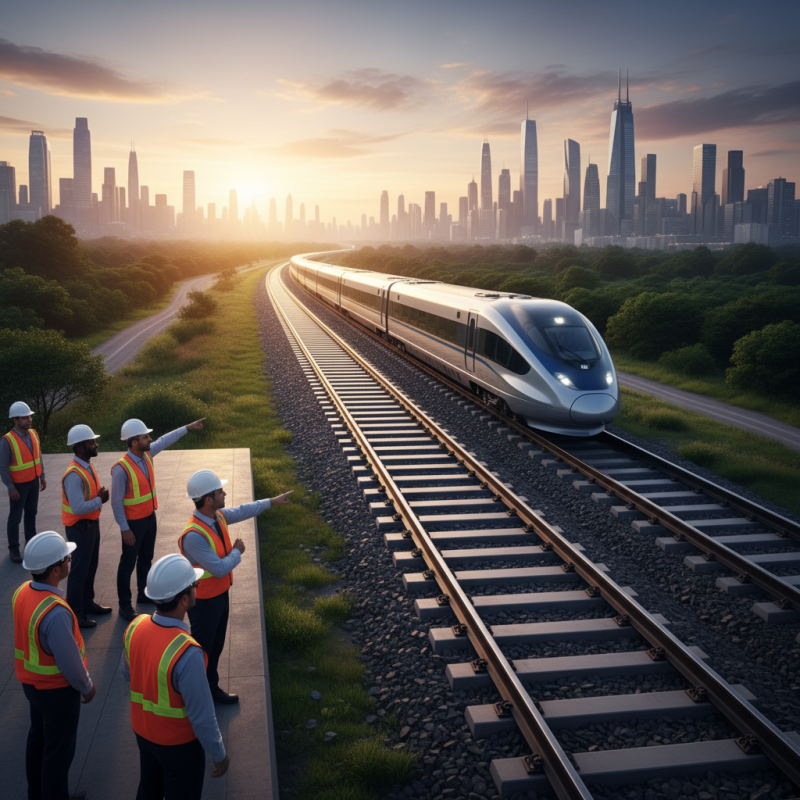
Continuous Rail is transforming the railway industry. Its innovative design offers several advantages over traditional tracks. With its seamless structure, Continuous Rail minimizes joint defects and enhances stability.
Many projects face challenges like maintenance and durability. Continuous Rail addresses these issues. It provides a smoother ride and reduces wear on trains. The expert consensus highlights its long-term cost-effectiveness. Investing in Continuous Rail can save money over its lifespan.
Choosing Continuous Rail may not be the easiest decision. Some might worry about initial costs or installation complexity. However, the benefits often outweigh these concerns. Making the switch can lead to improved performance and reliability. Embracing Continuous Rail is not just a trend; it's a commitment to a more efficient future in rail transportation.
Advantages of Continuous Rail in Modern Construction Projects
Continuous rail systems are gaining traction in modern construction projects. They offer several advantages that can enhance efficiency and safety. One key benefit is the reduced need for joints. Fewer joints in rail systems lead to smoother rides and lower maintenance costs. A study by the American Railway Engineering and Maintenance-of-Way Association noted that installing continuous rail can cut maintenance expenses by up to 30%.
Using continuous rail also improves structural integrity. These rails are less prone to deformation under stress. According to a report from the Federal Railroad Administration, rails with fewer joints show a 15% increase in lifespan compared to traditional methods. This longevity can lead to significant savings over the project’s lifecycle.
Tip: Consider environmental factors when selecting rail materials. Continuous rails may perform better in extreme weather conditions. Always ensure that your choice aligns with project specifications and local regulations. Planning for fluctuations in temperature can prevent future complications.
Another aspect to consider is initial cost versus long-term savings. Continuous rail systems can be more expensive upfront. However, the reduction in maintenance and operational disruptions may offset these costs. An analysis from the Institute of Construction and Engineering suggests that choosing continuous rail can improve project timelines by at least 20%.
Comparison of Continuous Rail vs. Traditional Rail Systems
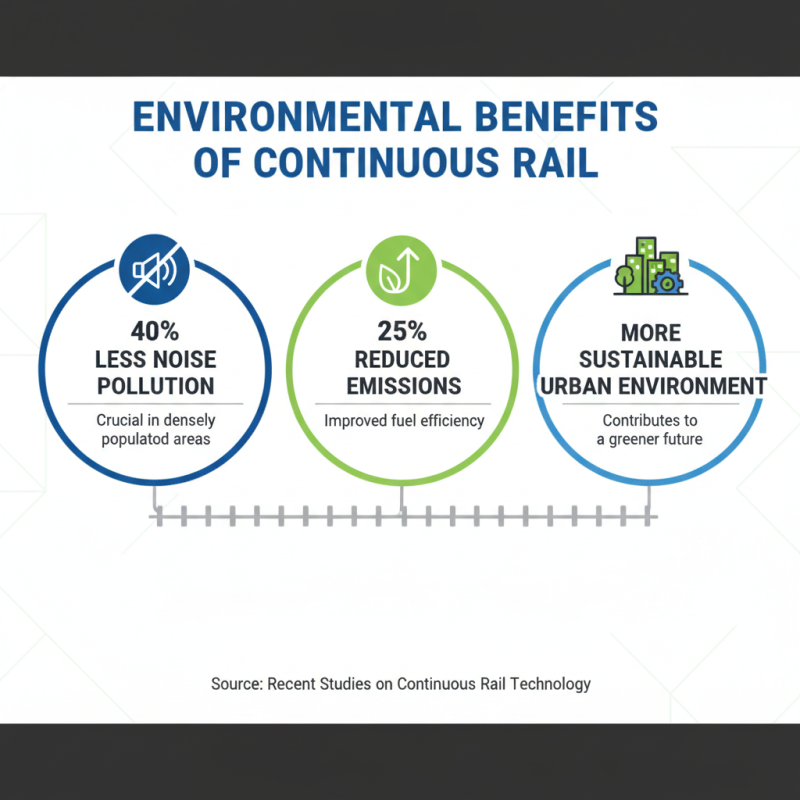
Continuous rail systems present several advantages over traditional rail systems. One key benefit is their ability to provide a smoother ride. Continuous rail eliminates many joints found in traditional systems. This results in less vibration and noise. Passengers experience a more comfortable journey. Moreover, maintenance is less frequent due to the reduced number of joints and potential failure points.
Durability is another important factor. Continuous rails are less susceptible to flexing or misalignment. This enhances the overall structural integrity. Traditional rail systems often suffer from wear and tear due to their design. Continuous rail’s seamless nature leads to longer service life.
On the downside, installation can be more complex. This may require specialized equipment and training. The upfront costs may also be higher. However, the long-term benefits often outweigh these initial challenges. Investing in continuous rail can lead to reduced operational costs over time. The choice is significant and warrants careful consideration from engineers and project managers alike.
Key Considerations for Choosing Continuous Rail for Infrastructure
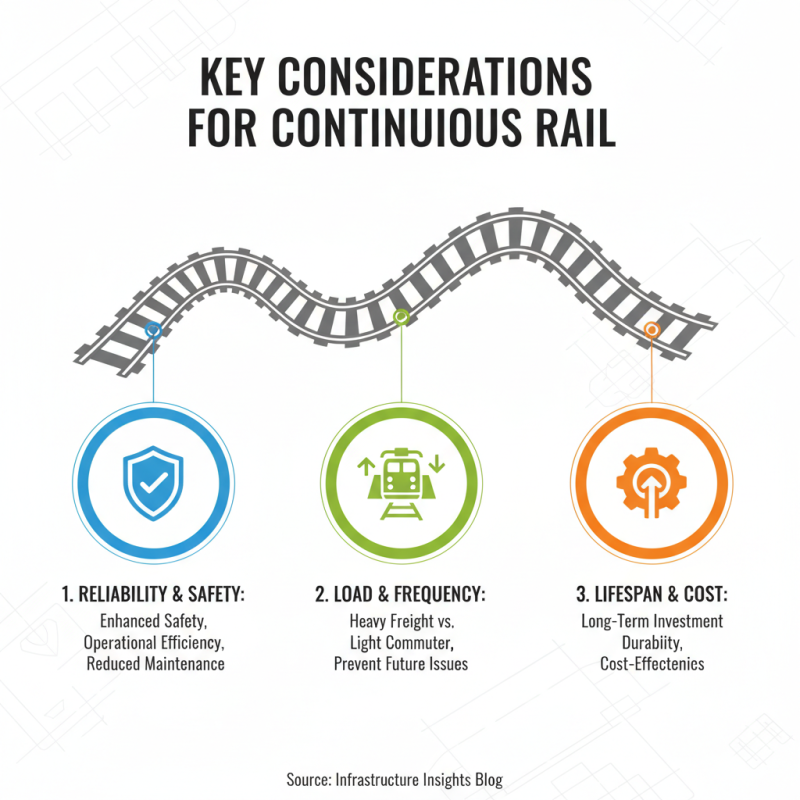
When selecting continuous rail for your infrastructure project, it’s crucial to weigh various factors. Reliability is paramount; well-maintained continuous rail enhances safety and efficiency. Consider the expected load and frequency of use. Will your rail support heavy freight or light commuter traffic? This assessment is vital to prevent future issues.
Maintenance is another key aspect. Continuous rail often requires less upkeep than traditional tracks, but it is not without challenges. Improper installation can lead to wear over time. Knowing the environment is essential. For instance, in areas with extreme weather, additional reinforcement may be necessary.
Cost is always a concern. While the initial investment in continuous rail can be higher, longevity and reduced maintenance may offset expenses. That said, thorough planning is needed to avoid unforeseen costs. Evaluate the long-term benefits against your budget. Engaging with experts can provide insights. They can offer guidance on installation techniques and local regulations. This collaborative approach can greatly influence the success of your project.
Economic Benefits of Implementing Continuous Rail Technologies
Continuous rail technologies offer substantial economic benefits for construction projects. These systems enable longer, uninterrupted stretches of rail, minimizing the need for joints and enhancing durability. This means reduced maintenance costs over time. Fewer joints mean fewer weak points, leading to increased safety and reduced risk of derailments.
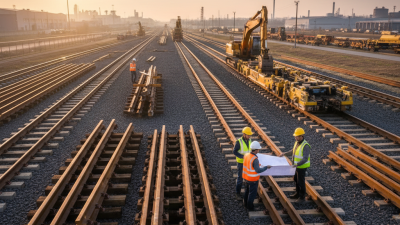
In addition, continuous rail systems can significantly shorten construction timelines. With fewer components to manage, projects can proceed more quickly. This efficiency not only saves time but also reduces labor costs. Skilled workers are often in high demand, and less time spent on a project translates to better resource allocation.
However, transitioning to continuous rail isn't without challenges. Not all projects may initially benefit from this technology. It's essential to assess specific needs and conduct thorough evaluations. Stakeholders should consider long-term maintenance plans and potential disruptions during implementation. Proper planning is crucial to leveraging the advantages of continuous rail effectively. Knowing when to make the switch can be just as important as the switch itself.
Why Choose Continuous Rail for Your Next Project? - Economic Benefits of Implementing Continuous Rail Technologies
| Benefit |
Description |
Estimated Savings (%) |
Implementation Time (months) |
| Reduced Maintenance Costs |
Continuous rails require less frequent maintenance compared to traditional systems. |
20% |
6 |
| Improved Safety |
Continuous rail systems reduce the likelihood of derailments. |
15% |
4 |
| Increased Lifespan |
These rail systems have a longer operational lifespan under heavy loads. |
25% |
8 |
| Enhanced Performance |
Results in smoother rides and faster travel times. |
10% |
5 |
| Environmental Benefits |
Less material wastage and reduced carbon footprint. |
18% |
7 |