How to Choose Hot Dip Galvanised Bolts for Your Project
Choosing Hot Dip Galvanised Bolts is more than selecting a shiny fastener from a catalogue. The correct choice depends on corrosion exposure, joint design, bolt grade, thread fit, and installation conditions. A bolt beside a coastal loading platform faces salt spray, moisture, and repeated temperature changes. An indoor warehouse bolt may face far less aggressive service.
Bill Salyards, a technical expert associated with the American Galvanizers Association, has stated, “The coating must be considered as part of the fastener system, not as a decorative finish.” That principle matters. Hot-dip galvanizing creates a thick zinc coating that protects steel sacrificially. However, coating thickness, thread dimensions, and nut compatibility still require careful checking. Standards such as ASTM F2329 and ISO 10684 can help confirm suitable production and coating requirements.
Project records should identify the bolt diameter, strength grade, coating standard, and intended environment. Ask suppliers for mill certificates and coating documentation. Check whether galvanized nuts are supplied with the bolts. Standard uncoated nuts may bind during assembly. That small mistake can delay installation and damage threads.
Torque deserves attention. Galvanized surfaces do not behave exactly like plain steel surfaces. Friction varies with the coating, lubricant, and installation method. Tension-controlled or calibrated procedures may provide better consistency. Field conditions can be messy. Dust, moisture, and hurried fitting may affect results.
A perfect selection is not always obvious. Designers sometimes focus on strength and overlook drainage. Installers may trust appearance too much. This guide examines those practical gaps, helping readers compare Hot Dip Galvanised Bolts with greater confidence, evidence, and realistic project judgment.
Understanding Hot Dip Galvanised Bolts and Their Protective Coating
How to Choose Hot Dip Galvanised Bolts for Your Project
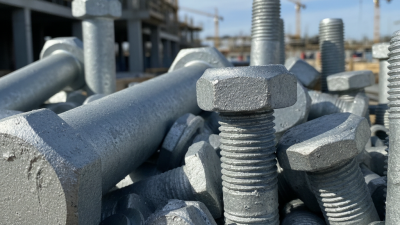
Hot dip galvanised bolts receive a metallurgically bonded zinc coating, not a simple paint film. The zinc protects steel in two ways. It forms a barrier and sacrifices itself when small areas become exposed. This matters around threads, washers, and bolt heads, where moisture often remains. ISO 10684 provides requirements for hot dip galvanised fasteners, including coating quality and dimensional control.
Coating thickness should match the steel size and exposure. ISO 1461 specifies minimum average coating thicknesses from 45 to 85 microns for common steel sections. The American Galvanizers Association reports typical zinc service lives of over 50 years in many industrial environments, although marine and polluted locations can reduce performance. Conditions vary more than product tables suggest. That judgment is not perfect.
Check the bolt standard, thread allowance, and nut compatibility before ordering. Galvanising can slightly increase dimensions, so standard galvanised nuts are normally matched to the bolts. Ask for coating certificates, batch traceability, and visual inspection records. Look for bare spots, excessive zinc lumps, blocked threads, or damaged edges. A thicker coating is not automatically better. Poor fit can create installation damage, while trapped water can accelerate local corrosion. For outdoor structures, select the coating after reviewing humidity, salt exposure, drainage, and maintenance access. Small details matter.
Assessing Project Requirements and Environmental Conditions
Choosing hot dip galvanised bolts begins with the project environment, not the bolt box. In field inspections, I look at moisture, salt, chemicals, temperature, and maintenance access. A sheltered warehouse needs less protection than a coastal pier exposed to salt spray. Small details matter. Condensation under washers can create persistent wet spots and accelerate corrosion.
Match the bolt’s coating to the expected exposure and service life. Hot dip galvanising provides a thick zinc layer, but it is not a universal shield. Industrial fumes, acidic runoff, and trapped water may reduce its performance. Ask for coating thickness, thread condition, tensile grade, and relevant standards such as ISO 1461 or ASTM A153. Confirm that nuts and washers are compatible with coated threads. Mixing unmatched components can cause poor fit or unsafe assembly.
Project loads deserve equal attention. Structural connections may require high-strength fasteners, controlled tightening, and documented test certificates. Do not select by diameter alone. Check joint design, temperature changes, vibration, and possible hydrogen-related concerns in hardened materials. A qualified engineer should review critical connections. I have seen schedules focus on corrosion resistance while overlooking installation access. That mistake is easy to repeat. Recheck exposure after construction changes, because insulation, drainage, or chemical storage can alter conditions. Leave room for doubt. Specifications only help when site conditions truly match them.
Selecting the Correct Bolt Grade, Size, and Thread Type
How to Choose Hot Dip Galvanised Bolts for Your Project
Bolt selection should begin with grade, not appearance. ISO 898-1 defines mechanical properties for carbon steel bolts, including property classes 8.8 and 10.9. Higher strength is not automatically safer. High-strength fasteners may require stricter installation control and greater attention to hydrogen embrittlement risks. ASTM F3125 also separates structural bolt grades by strength and application. Check the engineering drawings before choosing a stronger bolt. More strength can create a worse connection.
Size must match the calculated load, joint thickness, and required thread engagement. A bolt that is too short may leave insufficient nut engagement. One that is too long can interfere with adjacent steelwork. For hot dip galvanising, use compatible nuts tapped to the correct oversize allowance. ASTM A563 provides requirements for nuts used with zinc-coated bolts. Mixing hot dip galvanised bolts with ordinary plated nuts is a common site mistake. Avoid it.
Thread type deserves equal attention. Coarse threads usually tolerate dirt and minor damage better during outdoor installation. Fine threads offer adjustment advantages, but they are less forgiving in harsh field conditions. The American Galvanizers Association notes that coating thickness varies with steel chemistry and section thickness. Therefore, verify the applicable ASTM A153/A153M coating requirements, rather than guessing from the surface colour. Measure where practical. Visual checks alone are imperfect. Include bolt diameter, length, grade, thread series, coating standard, and matching nut requirements in the purchase specification.
How to Choose Hot-Dip Galvanised Bolts for Your Project
Select the correct bolt grade, size, and thread type by matching the required strength, joint geometry, and installation conditions. The chart shows the nominal tensile strength associated with common ISO metric bolt property classes.
Property classes 4.6, 8.8, 10.9, and 12.9 have nominal tensile strengths of approximately 400, 800, 1,000, and 1,200 MPa respectively, based on ISO 898-1 designations. Use the bolt diameter and thread size required by the calculated load; coarse threads are commonly used for general structural assembly, while fine threads can provide improved adjustment and a larger tensile-stress area. Confirm that the selected hot-dip galvanised bolt system is compatible with the nut, washer, coating thickness, and project standard.
Checking Standards, Dimensions, and Galvanising Quality
Hot dip galvanised bolts deserve the same checking as structural steelwork. The right choice starts with the application, load, and exposure environment.
ISO 898-1 defines mechanical property classes for carbon and alloy steel fasteners. Match the bolt class with the design calculation, not only the visible head marking.
ISO 4014 and ISO 4017 also distinguish partially and fully threaded bolts. That difference affects grip length and shear performance.
For coating requirements, ISO 10684 addresses hot dip galvanised fasteners, while ISO 1461:2022 provides useful coating benchmarks.
For steel thicker than 6 millimetres, ISO 1461 lists 85 micrometres as the average coating thickness and 70 micrometres locally.
These figures are inspection data, not decoration.
Dimensions need a physical check. Measure nominal diameter, thread pitch, threaded length, head clearance, washer size, and nut compatibility.
A coated thread may feel tighter during assembly. Never force it with an impact tool before checking the thread.
Confirm the drawing’s tolerance and the applicable fastener standard. ASTM A153/A153M also specifies coating mass and test requirements for galvanised iron and steel hardware.
Ask for the batch certificate, coating test method, steel grade, and inspection date.
Look for bare patches, heavy zinc lumps, damaged threads, and poor drainage marks. Small details matter.
A certificate can still hide a handling problem. The checklist is helpful, but it is not perfect; site inspection remains necessary.
Planning Installation, Maintenance, and Long-Term Performance
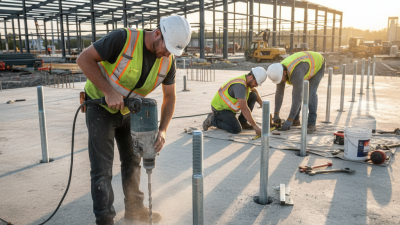
Choosing hot dip galvanised bolts is only the first decision. Installation planning determines whether that protection survives real site conditions. Select bolts with a coating standard suited to the assembly, such as ISO 10684 or ASTM A153 requirements. Confirm thread dimensions before delivery. Galvanised threads can fit differently after coating. Do not force nuts into place. Damaged threads may expose steel and accelerate local corrosion.
Maintenance planning should reflect the environment. A corrosion study published by NACE estimated global corrosion costs at about US$2.5 trillion, equal to 3.4% of global GDP. That figure shows why small inspection tasks deserve attention. Check bolt heads, nuts, washers, and nearby drainage points. Look for white corrosion products, red rust, trapped water, or coating damage. Industry durability data indicates galvanised coatings can last over 50 years in many rural settings, but service life decreases sharply in coastal or industrial atmospheres.
Tips:
Keep bolts dry during storage. Use compatible washers and nuts. Avoid cutting or welding after galvanising. If damage occurs, clean the area and repair it with an approved zinc-rich system. Record torque values and inspection dates. A torque wrench helps, but torque alone is imperfect. Friction changes with coating condition and lubrication. For critical connections, verify tightening through the project engineer’s specified method. I would also schedule an early inspection after the first wet season. It may feel excessive, yet site conditions often differ from design assumptions.