Top 5 Essential Tips for Choosing Bolted Rail Clips for Gantry Crane Runways
When it comes to enhancing the safety and efficiency of gantry crane operations, selecting the right components is critical. One key element in ensuring smooth functionality is the use of bolted rail clips for gantry crane runways. According to industry data, a report by the International Journal of Advanced Structural Engineering highlights that improper fastening systems can lead to significant wear, increased maintenance costs, and even operational downtime. This underscores the importance of choosing the right bolted rail clips, as they play a pivotal role in securing rail tracks and ensuring the stability of the crane.
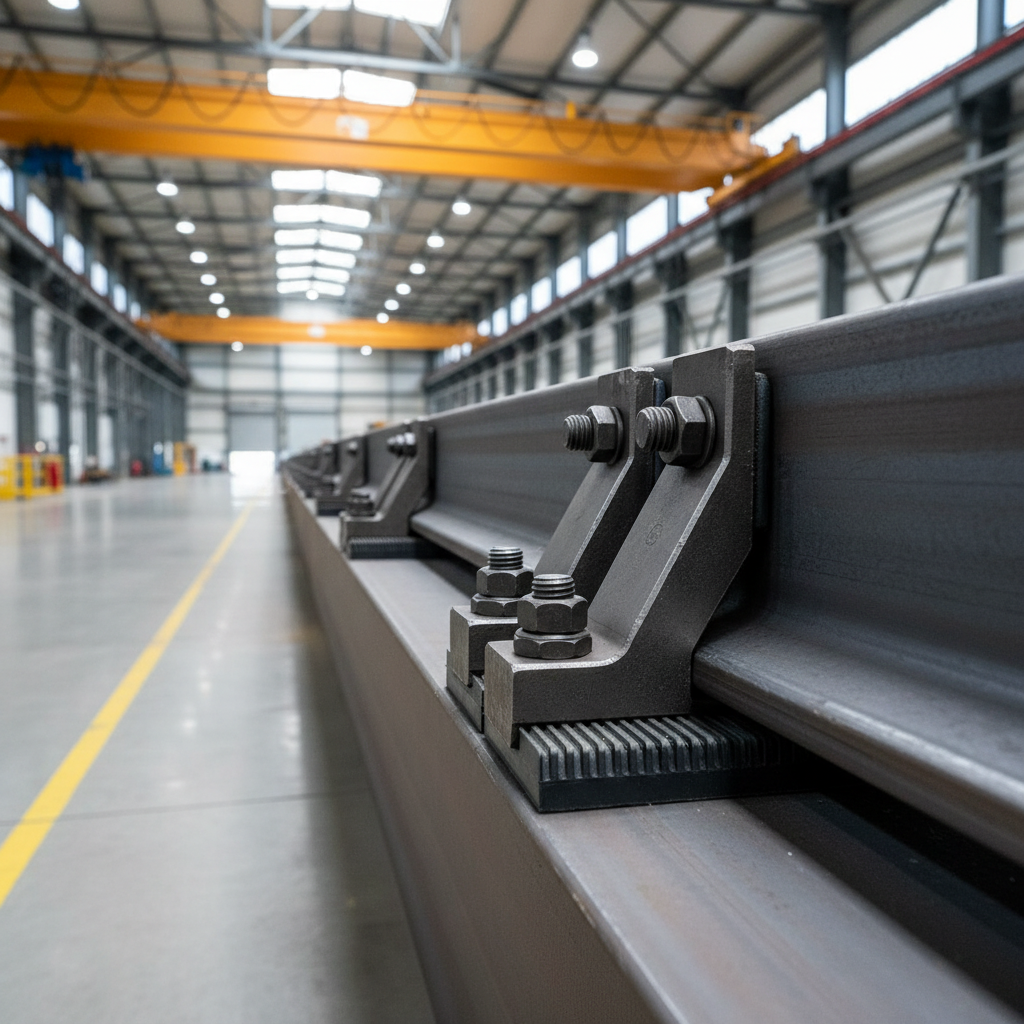
In the evolving landscape of manufacturing and construction, the selection of bolted rail clips is influenced not just by their mechanical integrity but also by their compatibility with various rail systems and crane designs. The American Institute of Steel Construction (AISC) has reported that selecting high-quality components can enhance the lifespan of crane runways by up to 35%, subsequently reducing the need for frequent repairs and replacements. As industries strive for increased productivity and safety, understanding the essential tips for choosing the right bolted rail clips is crucial for project managers and engineers alike. This article aims to provide valuable insights into making informed decisions regarding bolted rail clips for gantry crane runways.
Understanding the Importance of Rail Clip Materials for Gantry Cranes
The material selection for rail clips is crucial for the performance and longevity of gantry crane runways. Rail clips are responsible for securing the rail to the concrete or steel infrastructure, and the choice of material directly impacts their strength, resilience, and resistance to environmental factors. Common materials include stainless steel, which offers excellent corrosion resistance, and carbon steel, known for its robustness. However, the latter may require protective coatings to prevent rust, especially in outdoor settings or where moisture is prevalent.
Additionally, the manufacturing process of rail clips can influence their integrity and reliability. Forged clips, for instance, tend to exhibit superior strength and durability compared to those that are simply cast. It is vital to consider how the material and manufacturing methods will perform under the specific operational loads and conditions of the gantry crane. Ultimately, choosing the right material for rail clips not only enhances the operational efficiency of gantry cranes but also minimizes maintenance costs and downtime, contributing to a safer and more productive working environment.
Top 5 Essential Tips for Choosing Bolted Rail Clips for Gantry Crane Runways
| Tip Number |
Tip Description |
Material Consideration |
Durability Rating |
Cost Factor |
| 1 |
Assess Load Requirements |
High carbon steel |
Excellent |
Medium |
| 2 |
Evaluate Environmental Conditions |
Galvanized steel |
Very Good |
High |
| 3 |
Choose Appropriate Size |
Stainless steel |
Good |
Medium |
| 4 |
Consider Compatibility with Tracks |
Composites |
Excellent |
High |
| 5 |
Review Certifications and Standards |
Alloy steel |
Very Good |
Variable |
Evaluating Load Capacity and Safety Factors in Bolted Rail Clip Selection
When selecting bolted rail clips for gantry crane runways, evaluating load capacity is crucial. Each rail clip must be capable of supporting the maximum load that the gantry crane will impose during operation. It is essential to consider both static and dynamic loads, as cranes often face varying weight distributions and movement patterns. Manufacturers typically provide load ratings for their rail clips, but it is vital to conduct a thorough analysis based on your specific application. Understanding the weight and type of materials typically handled will help determine the right specifications for your rail clips.
In addition to load capacity, safety factors play a significant role in the selection process. A recommended safety factor often ranges from 1.5 to 2 times the maximum load to account for unforeseen circumstances and potential stressors during operation. This precaution helps prevent failures that could lead to severe accidents or equipment damage. Moreover, it's important to consider factors such as environmental conditions, installation practices, and the longevity of the materials used. By carefully assessing both load capacity and safety factors, you can ensure that the bolted rail clips chosen will provide the reliability and performance required in a gantry crane system.
Analyzing Environmental Conditions Impacting Rail Clip Performance
When selecting bolted rail clips for gantry crane runways, it’s crucial to analyze the environmental conditions that could impact their performance. In harsh environments, such as those found in the desert regions of Oman, factors like extreme temperatures, sand erosion, and moisture can significantly affect the durability and reliability of rail clips. These environmental stressors can lead to increased wear and degradation, emphasizing the need for robust materials and designs that can withstand such challenges.
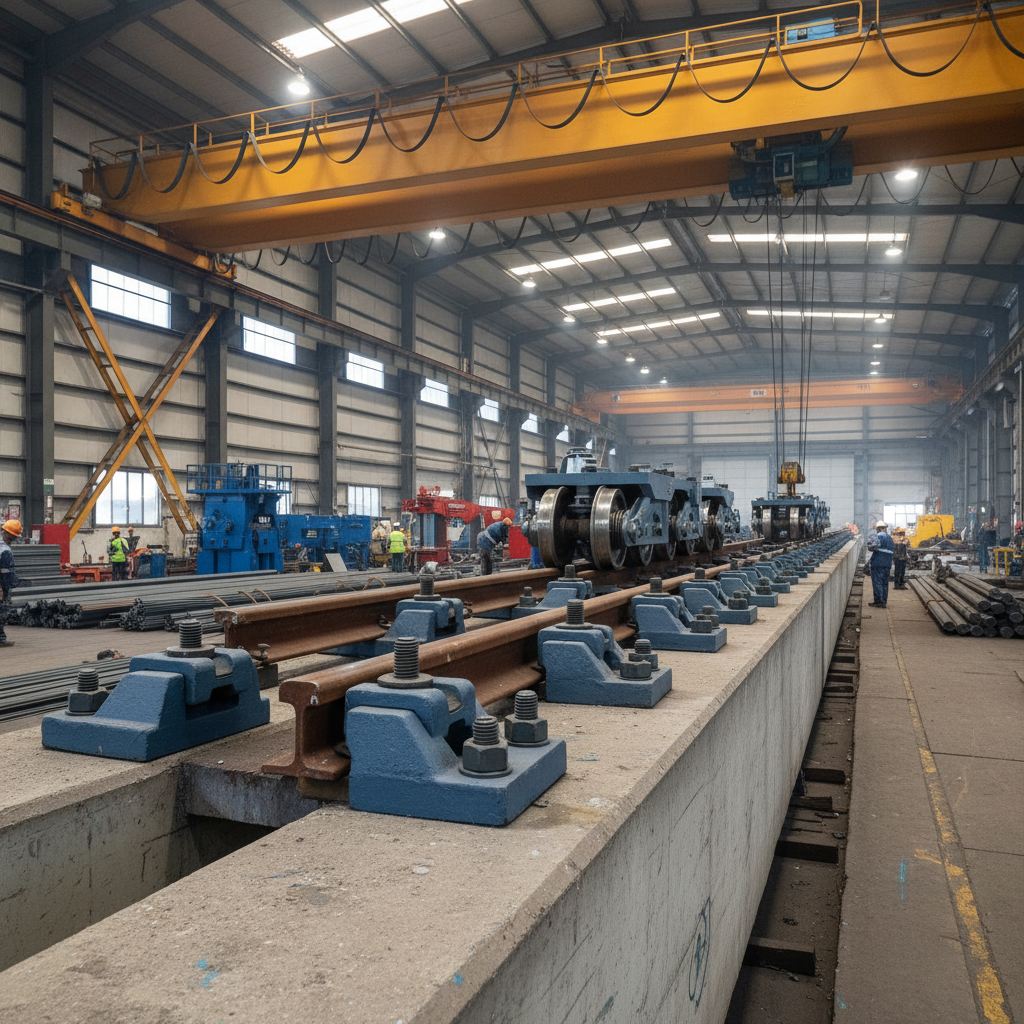
Additionally, considerations for ballast-less track technology are becoming increasingly relevant in these demanding conditions. The absence of ballast reduces the risk of shifting or instability, offering a more resilient solution for railways subjected to harsh weather and soil movement. Understanding these environmental influences not only guides the choice of materials and clip designs but also helps in ensuring that they function effectively over the long term, thereby enhancing the overall safety and efficiency of gantry crane operations.
Comparing Cost-Effectiveness of Various Bolted Rail Clip Options
When selecting bolted rail clips for gantry crane runways, it's essential to consider the cost-effectiveness of various options available on the market. Different types of bolted rail clips come with varying price tags, and assessing their long-term value is crucial for ensuring a sound investment. Although cheaper options might seem appealing at first, it's vital to analyze their durability and maintenance needs. Higher-quality clips may have a higher upfront cost, but they often lead to lower replacement and repair costs down the line.
Additionally, comparing the features and benefits of each type of bolted rail clip can provide a clearer picture of their cost-effectiveness. For instance, some clips may include innovative designs that enhance load distribution and reduce stress on the rails, potentially prolonging the life of the entire gantry system. Therefore, understanding the trade-offs between initial costs and long-term performance will help in making an informed decision that balances budget constraints with operational efficiency. Ultimately, opting for the right bolted rail clips can yield significant cost savings while ensuring the safety and reliability of crane operations.
Ensuring Compliance with Industry Standards for Gantry Crane Rail Clips
When selecting bolted rail clips for gantry crane runways, ensuring compliance with industry standards is paramount. According to a report published by the American National Standards Institute (ANSI), adherence to standards such as ANSI/ASCE 7 is critical to maintaining the structural integrity and safety of crane systems. Utilizing compliant bolted rail clips not only enhances the safety of operations but also minimizes the risk of accidents that could lead to costly downtime or legal issues.
Furthermore, a study conducted by the International Organization for Standardization (ISO) highlights that nearly 35% of crane-related accidents can be attributed to inadequate rail mounting systems. Therefore, selecting the right rail clips that meet ISO 4301-1 standards is essential for ensuring operational safety. These standards dictate the design and testing requirements for lifting equipment, setting the benchmarks for quality and performance. By prioritizing compliance with these established guidelines, manufacturers and operators can significantly improve the reliability and efficiency of gantry crane systems.