Top Guide to Bolted Crane Rail Clip for Global Buyers?
When it comes to heavy lifting and industrial applications, the right equipment is essential. One such equipment component is the bolted crane rail clip. This device plays a crucial role in securing crane rails to their respective foundations. Global buyers need to understand its importance and functionality.
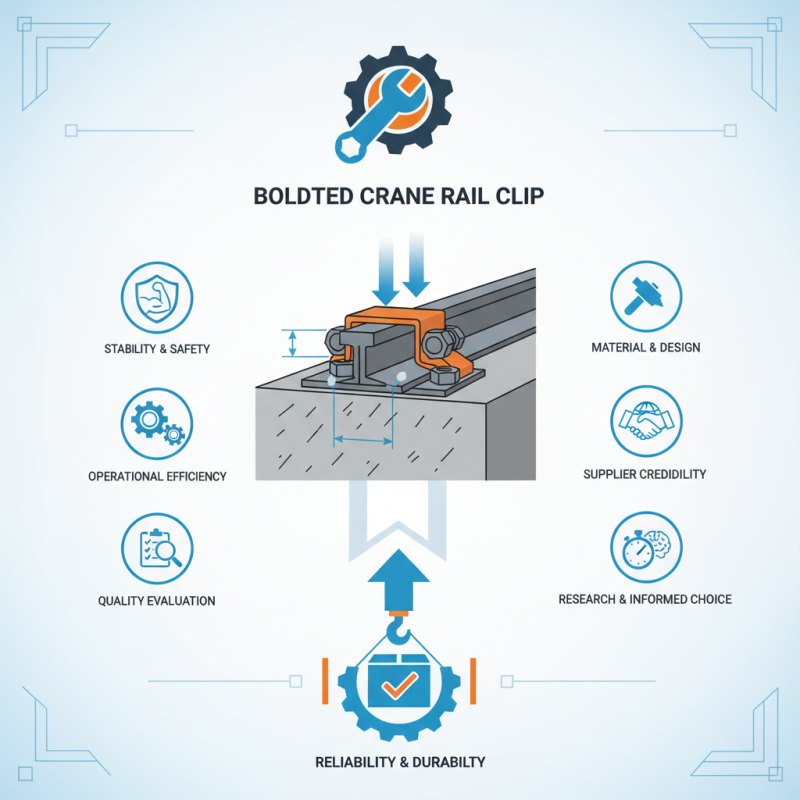
Choosing the appropriate bolted crane rail clip can significantly affect operational efficiency. These clips ensure stability and safety in high-load environments. However, not all clips are created equal. Variants exist that might not meet specific requirements, leading to potential failures. Understanding these differences is vital for making informed purchasing decisions.
While the market offers a range of options, evaluating quality is paramount. Factors like material, design, and installation processes must be considered. Buyers should also be aware of suppliers' credibility. Investing time in research can lead to better choices. The ultimate goal is to ensure reliability and durability in crane operations.
Overview of Bolted Crane Rail Clips and Their Functionality
Bolted crane rail clips play a vital role in the operation of overhead cranes. They secure the rails to the supporting structures. This functionality ensures stability and safety during lifting operations. The clips are designed to withstand high loads and vibrations, making them essential for efficiency. Proper installation helps prevent accidents and equipment damage.
Understanding the materials used is crucial. Most clips are made from durable steel or alloy. This choice provides the necessary strength and resistance to wear. However, the effectiveness of these clips can sometimes be compromised by corrosion or improper installation. Buyers should inspect clips regularly for signs of wear or damage.
Choosing the right clips involves understanding specific requirements. Load capacity, rail size, and environmental conditions are key factors. Buyers may face challenges here. Sourcing from reputable suppliers can reduce the risk of substandard products. It is essential to balance cost and quality to ensure safety and reliability.
Top Guide to Bolted Crane Rail Clip for Global Buyers
| Feature |
Description |
Material |
Load Capacity (t) |
Common Applications |
| Design |
Bolted clips designed for robust rail fastening. |
Steel |
10 |
Overhead cranes, monorails |
| Installation |
Easy installation with bolted connections. |
Cast Iron |
15 |
Rail construction, industrial applications |
| Durability |
Designed to withstand high stress and weather conditions. |
Alloy Steel |
20 |
Heavy-duty lifting and transport systems |
| Maintenance |
Requires periodic tightening but minimal upkeep. |
Stainless Steel |
12 |
Maintenance warehouses, shipping areas |
Types of Bolted Crane Rail Clips Available in the Market
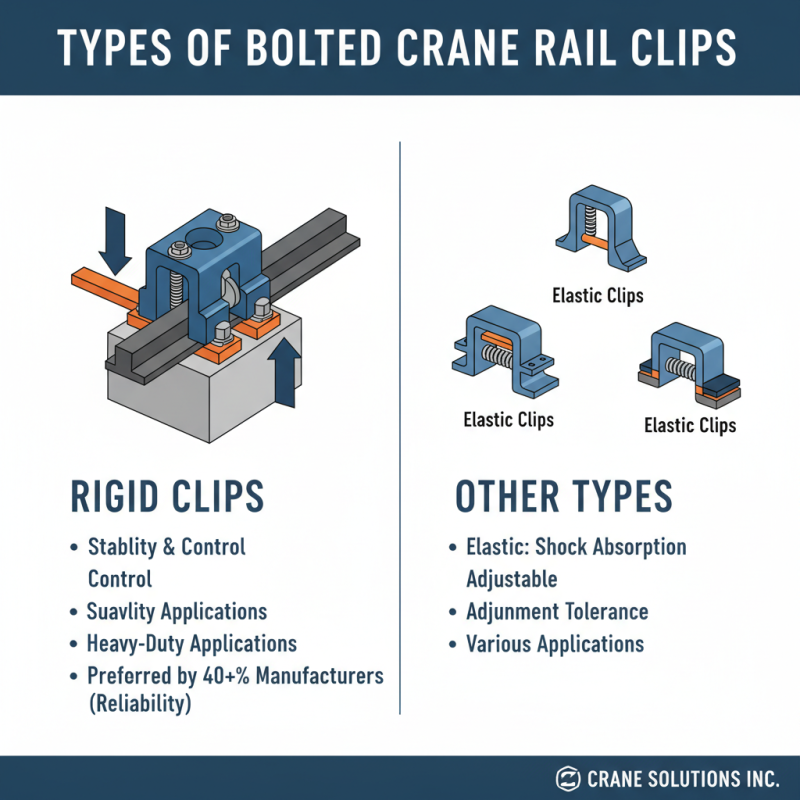
When exploring bolted crane rail clips, it’s essential to understand the various types available in the market. Rigid clips, for instance, offer stability and control. They are often preferred in heavy-duty applications due to their superior load-bearing capabilities. A recent industry report found that more than 40% of manufacturers opt for rigid clips for their operational reliability.
Another popular type is elastic crane rail clips. These clips can absorb vibrations, making them ideal for areas with dynamic loads. Research indicates that around 30% of crane systems in manufacturing use these clips to prevent wear and tear. While they add flexibility to operations, users must also monitor their performance regularly. Over time, the elasticity may degrade, impacting efficiency.
Lastly, adjustable rail clips provide versatility in installation. Suitable for various rail sizes, they can be reconfigured easily. While beneficial, their adjustment mechanisms require frequent checks to ensure proper tension. Neglecting this could lead to safety issues. Balancing the advantages and drawbacks of each type is crucial for optimal crane rail system performance.
Key Materials Used in Manufacturing Bolted Crane Rail Clips
Bolted crane rail clips play a crucial role in ensuring the stability and safety of crane operations across various industries. The primary materials used in their manufacture significantly impact performance and longevity.
Carbon steel is the most common choice due to its strength and durability. This material can withstand heavy loads while resisting deformation under stress.
Moreover, stainless steel is increasingly being used for its corrosion resistance, particularly in environments exposed to moisture or chemicals. According to industry reports, the global demand for stainless steel in construction applications is projected to grow by
5% annually. Such growth reflects the material's critical role in enhancing the lifespan of crane rail systems.
Innovations in manufacturing techniques have led to the development of hybrid clips that combine different materials. This approach aims to optimize strength while minimizing costs. However, challenges remain, such as ensuring consistent quality in materials and manufacturing processes. The ongoing research into advanced alloys aims to address these issues, highlighting the need for ongoing assessment and improvement in material selection and application in bolted crane rail clips.
Installation Guidelines for Bolted Crane Rail Clips
When installing bolted crane rail clips, precision is vital. Begin by assessing the rail and support structure. Ensure the surfaces are clean and free of debris. Using a suitable torque wrench, tighten the bolts to the manufacturer’s specified torque. This eliminates any risk of loosening over time. Pay attention to the alignment of the rail. Even minor misalignments can cause operational issues.
It’s crucial to evaluate the environmental conditions. Exposure to moisture can cause rust, impacting the integrity of the clips. Consider using protective coatings on the clips. Inspecting the installation periodically fosters reliability. Look for signs of wear or corrosion. Keeping a maintenance log can help track any issues.
Finally, while the installation process may seem straightforward, mistakes can happen. Attempting to rush through the setup might overlook critical details. Review installation procedures carefully and consult professionals if unsure. Checking twice is always better than risking safety. Each rail and clip pairing is unique, so be prepared to adapt your approach as necessary.
Maintenance Tips for Maximizing the Lifespan of Crane Rail Clips
Proper maintenance of crane rail clips is essential for ensuring their longevity and reliability. Regular inspections can significantly enhance their lifespan. Look for signs of wear or corrosion. Immediate action can prevent larger problems later.
One effective maintenance tip is to clean the clips regularly. Dirt and debris can accumulate, leading to potential corrosion. A simple wash with soap and water is often enough. Make sure to dry them thoroughly to prevent moisture build-up, which can cause rust.
Additionally, consider lubricating moving parts at least once a month. This reduces friction and helps maintain smooth operation. Use an appropriate lubricant meant for high-load applications. Remember, even with upkeep, the clips will eventually show signs of fatigue. Be prepared to replace them when necessary, as ignoring subtle declines can lead to accidents.