Standard Rails Buying Guide 5 Tips for Global Buyers?
When it comes to purchasing Standard Rails, global buyers face unique challenges. Understanding the intricacies of these products is essential. Standard Rails are crucial components in construction and manufacturing, offering support and stability. However, not all rails are created equal. Different suppliers may offer varying quality and specifications.
Buyers should prioritize trusted brands with a proven track record. Checking certifications and compliance with industry standards is vital. Consider supplier transparency. A reputable supplier will provide detailed product information. This helps in assessing whether the rails meet your project's needs.
While making a purchase, focus on specific requirements. The right choice often depends on unique project parameters. Global shipping can also complicate matters. Always calculate potential import fees and delivery timelines. Reflecting on these factors can lead to more informed decisions in the long run.

Understanding Standard Rails: Key Specifications and Uses
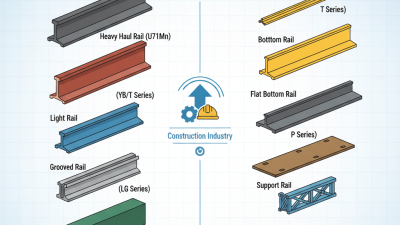
Standard rails play a vital role in various industries, particularly in construction and manufacturing. Understanding their specifications is essential for buyers across the globe. These rails are designed to carry loads efficiently and ensure stability. Key specifications include material, load capacity, and dimensions. Different projects require specific standards. Hence, knowing the application helps in selecting the right type.
The uses of standard rails vary widely. They are often employed in transportation, providing a foundational structure for heavy machinery. In manufacturing, they might be part of conveyor systems, assisting in product movement. Buyers need to be aware of the environmental conditions where the rails will be installed. Factors such as temperature, humidity, and potential corrosion should influence the purchase decision. It's crucial to evaluate the manufacturer's adherence to quality standards.
Despite available information, navigating through specifications can be confusing. Some sellers might overstate the capabilities of their products. Thus, seeking independent reviews can be beneficial. Making informed choices requires a careful assessment of both technical details and practical applications. Ensure that you consider long-term usage when selecting standard rails.
Evaluating Quality: How to Assess Manufacturing Standards Worldwide
When evaluating global manufacturing standards, quality assessment becomes crucial. Start by examining the materials used. High-quality rails often incorporate durable steel or composite materials. Investigate the sourcing of these materials to ensure they meet international safety regulations. Additionally, consider the manufacturing process. Look for certifications that indicate adherence to recognized industry standards. These can serve as a reliable indicator of quality.
Another key aspect is understanding quality control measures. Effective manufacturers implement rigorous testing protocols. Ask about their inspection processes during production. It's also beneficial to request samples. This way, you can personally gauge the product's finish and craftsmanship. Nonetheless, remember that not all manufacturers will provide complete transparency. Some may hesitate to share extensive details, which can be a red flag.
Customer feedback is valuable for assessing a company's reputation. Seek reviews from previous buyers. Look for patterns of satisfaction or issues. Be cautious, as some reviews can be misleadingly positive. Balancing these insights with a critical mindset is essential. Ultimately, the goal is to ensure your investment meets the necessary standards for lasting performance.
Cost Analysis: Budgeting for Standard Rails in Global Markets
When considering standard rails in global markets, budgeting is crucial. A recent report by the Global Rail Industry Association (GRIA) highlights that prices can vary significantly across regions. For instance, the average cost of standard rail in North America is approximately $1,000 per ton, while in Europe, it stands around $850 per ton. These differences stem from factors like local production costs and supply chain logistics.
For buyers navigating this landscape, it's essential to conduct thorough market research. Understanding local demand and supply dynamics can help in making informed decisions. A tip: always seek multiple quotes from suppliers. This practice not only provides a clearer picture of pricing but also uncovers potential negotiation opportunities. Industry trends show that transparency in supplier pricing fosters better business relationships.
Additionally, it’s wise to account for hidden costs. These can include shipping fees, tariffs, and handling charges, which can add an unexpected 15-20% to the final expense. Monitoring these fluctuations requires vigilance. Regularly reviewing supply chain processes can lead to improved budgeting strategies. Remember: knowledge is power in the unpredictable realm of global rail purchasing.
Sourcing Strategies: Best Practices for International Procurement
When engaging in international procurement, defining clear sourcing strategies is vital. Establishing relationships with reliable suppliers can help mitigate risks. It’s essential to gather data about potential partners. This may involve looking into their reputation, quality standards, and delivery timelines. Visiting suppliers can also foster trust and understanding.
Overreliance on a single supplier can lead to vulnerabilities. Diversifying your supply base may reduce disruptions. However, managing multiple suppliers can be complex. Balancing relationships while ensuring consistent quality takes effort. Communication barriers might also arise when sourcing globally. Thus, investing in translation services can be beneficial.
Monitoring market trends is crucial to stay competitive. Prices can fluctuate significantly based on international events. Regularly evaluating your procurement strategy allows for necessary adjustments. Reflecting on what works and what doesn’t can lead to more effective decision-making. This process forms a cycle of continuous improvement in your sourcing approach.
Shipping and Logistics: Navigating Global Distribution Challenges
Shipping and logistics play a crucial role for global buyers, particularly in the standard rails industry. According to a report by the International Logistics Association, logistics can account for nearly 10% of a product's final cost. This percentage emphasizes the importance of efficient distribution strategies. Poor logistics decisions can increase expenses and delay delivery times. A significant portion of international shipments is delayed due to customs issues, impacting customer satisfaction.
Navigating global distribution challenges requires understanding the complexities of various markets. According to a study by the World Bank, efficient supply chains can increase export opportunities by up to 15%. Buyers must consider regional regulations, tariffs, and local shipping options. It can be tempting to choose the cheapest logistics provider, but this may lead to hidden costs and service disruptions. Research shows that 25% of businesses experience unexpected shipping costs, highlighting the need for diligent supplier evaluation.
Additionally, sustainability is becoming a key consideration. The global push for reduced carbon footprints is influencing logistics choices. Buyers should assess how transportation methods and packaging affect their overall sustainability goals. Many companies are experimenting with alternative shipping methods, but success can vary. A recent survey found that only 30% of businesses feel confident in their sustainable logistics strategies. Addressing these logistical complexities requires careful planning and a proactive approach to overcome potential barriers.
Global Shipping and Logistics Challenges