What is a Switch Stand? Understanding Its Function and Importance
A Switch Stand is a crucial component in railway systems. It plays a vital role in directing trains from one track to another. Understanding its function helps us appreciate its importance in transportation.
Switch Stands come in various designs and materials. Each type serves a specific purpose and is essential for safe rail operations. The mechanism ensures that trains can safely navigate between tracks. However, not all switch stands are created equal. Some may show wear and tear over time.
Furthermore, maintenance is often overlooked. Regular checks are necessary to ensure proper function. Neglecting the maintenance can lead to accidents or delays. A switch stand is not merely a mechanical device; it symbolizes the importance of safety in rail travel. Recognizing its significance fosters a culture of diligence and respect for rail infrastructure.
What is a Switch Stand?
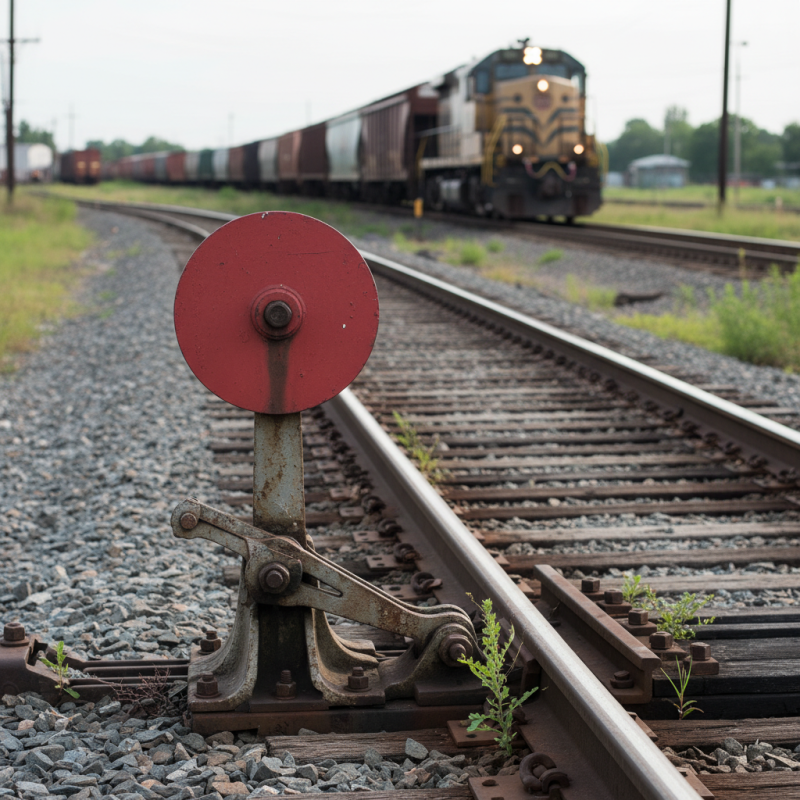
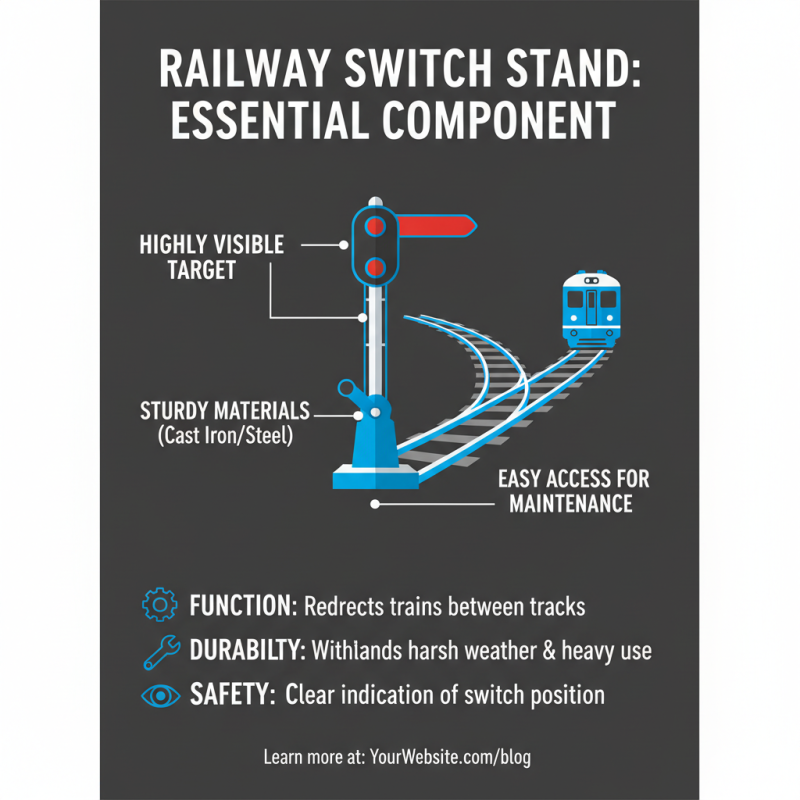
A switch stand is a crucial component in railway operations. It is designed to support the switch or points that redirect trains from one track to another. Typically, these stands are made of sturdy materials to withstand the harsh conditions of railway environments. They must be highly visible and easily accessible for maintenance.
The function of a switch stand goes beyond mere support. It often includes mechanisms for locking the switch in place, ensuring safe and reliable operation. Train operators rely on these stands to facilitate smooth transitions between tracks. However, if not regularly checked, their integrity can suffer. This could lead to train delays or accidents.
Understanding switch stands also involves recognizing their limitations. Issues like weather exposure can weaken their structure over time. Visual inspections are essential but may not reveal all problems until it’s too late. Regular maintenance is crucial to avoid potential failures. Balancing the mechanical design with usability is a constant challenge in the industry.
The Components of a Switch Stand
A switch stand is a crucial part of rail systems. It directs trains from one track to another. This device consists of several key components. Each component plays a vital role in ensuring safe and efficient track switching.
One major part is the lever. The lever controls the movement of the switch points. Operators can easily adjust it from their station. The points are the actual rails that move to change direction. They must align correctly with the track to avoid accidents. If not, the results can be disastrous.
Another essential component is the locking mechanism. This keeps the switch in place during operation. A malfunction here can lead to derailments. Regular checks are vital. Inspecting these parts can prevent serious issues.
Tip: Always look for wear and tear on the components. If something looks off, it might be best to replace it. Being proactive can save time and avoid costly repairs down the line.
In sum, understanding switch stand components is key. Each part's role ensures safe rail travel. Small oversights can lead to significant failures. Always pay attention to details.
What is a Switch Stand? Understanding Its Function and Importance - The Components of a Switch Stand
| Component |
Function |
Importance |
| Switch Handle |
Allows the operator to change the track direction. |
Ensures safe and efficient train movement across tracks. |
| Switch Machine |
Mechanically moves the switch blades. |
Automates track switching, improving operational speed. |
| Switch Blades |
The movable parts that direct the train onto different tracks. |
Critical for directing trains safely to their intended routes. |
| Stock Rail |
Fixed rail to which the switch blades align. |
Essential for maintaining the structural integrity of the track. |
| Frog |
The intersection point of tracks that allows trains to cross. |
Facilitates safe and effective movement across intersecting tracks. |
| Check Rails |
Guides the wheels to prevent derailment on the switch. |
Crucial for safety by ensuring proper wheel alignment. |
The Operational Mechanism of Switch Stands
Switch stands play a crucial role in rail systems. They enable trains to change tracks smoothly. This crucial mechanism operates through a simple yet effective design. A switch typically consists of two main components: the switch blade and the stock rail. The switch blade pivots to align with the desired track, guiding the train's wheels accordingly.
According to the International Railway Union, proper switch stand operations can reduce rail accidents by up to 30%. Yet, maintenance challenges often arise. Operators may overlook daily inspections of these vital components. Some reports suggest that nearly 20% of switch failures occur due to lack of regular maintenance. This oversight can lead to significant delays and potentially dangerous situations.
Again, the importance of switch stands can't be overstated. They ensure smooth transitions and efficient train operation. With increased rail traffic, the demand for well-maintained switches rises. However, resources for maintenance are often limited. Inadequate funding and workforce shortages complicate this critical issue. The push for more modernization in rail infrastructure ties back to the need for robust switch mechanisms and improved maintenance protocols.
The Role of Switch Stands in Railways
The role of switch stands in railways is crucial for smooth operations. These devices control track switches, allowing trains to change routes. They are often made of durable materials to withstand harsh weather conditions. A switch stand typically has a lever that operators can manipulate easily. This functionality is essential for railway safety and efficiency.
However, not all switch stands operate perfectly. Maintenance is sometimes overlooked. Inadequate care can lead to malfunctions. During inspections, some stands may show signs of wear. This can be dangerous, as a faulty switch can cause derailments. Operators must remain vigilant and report any irregularities promptly.
Switch stands also require proper training for operators. Misunderstanding or mishandling can create risks. Each design has specific guidelines for use. Familiarity with these details can prevent accidents. Regular training ensures staff can quickly respond to challenges. Without this focus, the importance of switch stands may be overlooked, leading to potential issues on the tracks.
Maintenance and Safety Considerations for Switch Stands
Switch stands are critical components in rail systems, allowing trains to switch tracks safely. Proper maintenance ensures these stands operate effectively and reduce the risk of accidents. Regular inspections are necessary to check for wear and tear. Corrosion can create problems, especially in harsh weather.
Safety is paramount. Operators should be trained to handle switch stands properly. Any signs of malfunction should be reported immediately. Lack of attention can lead to serious consequences. Regular cleaning helps to maintain the mechanism and its surroundings. Ensuring clear visibility is also crucial, especially at night or in bad weather.
Remember that maintenance is not just about fixing issues. It's about preventing them. Overlooking minor repairs can escalate costs and safety risks. Each switch stand must be evaluated regularly to keep the system running smoothly. Awareness and diligence can prevent small problems from turning into larger ones.
Switch Stand Utilization Over Time
This chart represents the utilization of switch stands over various maintenance intervals. It highlights the importance of regular checks and maintenance to ensure optimal functionality and safety.