Top Tips for Installing Anchoring Bolts in Concrete Foundations
When it comes to the structural integrity of buildings, anchoring bolts in concrete foundations play a pivotal role. According to renowned civil engineer Dr. Emily Johnson, "Properly installed anchoring bolts are critical for ensuring the stability and longevity of any structure." Her expertise underscores the importance of precision in both the selection and installation of these bolts, as they anchor various components and help distribute loads effectively.
The process of installing anchoring bolts in concrete foundations may seem straightforward, yet it requires careful attention to detail to prevent future structural issues. Ensuring correct alignment, selecting suitable materials, and adhering to best practices are essential elements that can make or break a construction project. As construction standards evolve, so too does the need for comprehensive guidelines and tips to navigate these complexities. This article delves into the top recommendations for successfully installing anchoring bolts in concrete foundations, offering expert insights that promise to equip builders and contractors with the knowledge necessary for success.
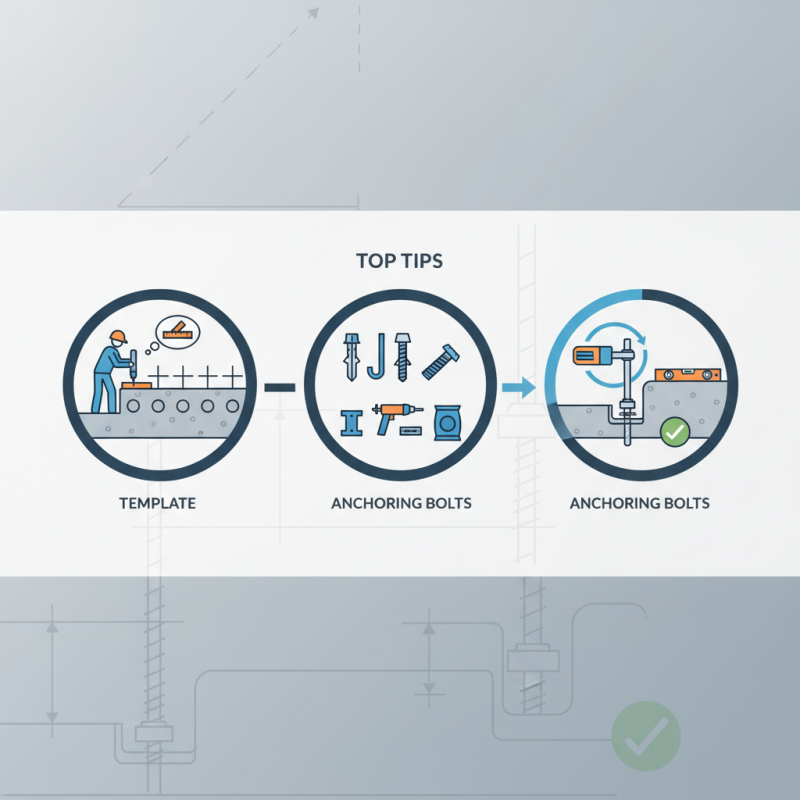
Essential Tools and Materials for Installing Anchoring Bolts
When it comes to installing anchoring bolts in concrete foundations, having the right tools and materials is paramount to ensure a successful installation. Essential tools include a rotary hammer drill, which is crucial for creating precise anchor holes in concrete. According to the American Concrete Institute, using a high-quality drill can significantly impact installation time and overall structural integrity, reducing the potential for misalignment and future failures.
Additionally, selecting the appropriate anchoring bolts is vital. There are various types available, including expansion anchors and adhesive anchors, each suited for different applications and load requirements. The National Precast Concrete Association notes that understanding the load capacity and environmental conditions is essential for choosing the right type of anchor. Other important materials include a suitable epoxy or grout for adhesive anchors, ensuring maximum bond strength to withstand shear and tensile forces.
Moreover, safety equipment should not be overlooked. Personal protective gear such as gloves, goggles, and dust masks are necessary to protect workers during the installation process. A proactive approach to safety can minimize workplace accidents, which have been reported to exceed 10,000 incidents annually in construction-related activities, emphasizing the importance of proper equipment and safety protocols in anchoring bolt installations.
Preparation Steps Before Installing Anchoring Bolts in Concrete
Before diving into the installation of anchoring bolts in concrete foundations, proper preparation is crucial for achieving a secure and effective result. Begin by assessing the specific requirements of your project, including the load that the anchors will bear and the type of concrete being used. Gathering all necessary tools and materials, such as the appropriate bolts, drill bits, and safety equipment, will streamline the process and minimize unnecessary interruptions.
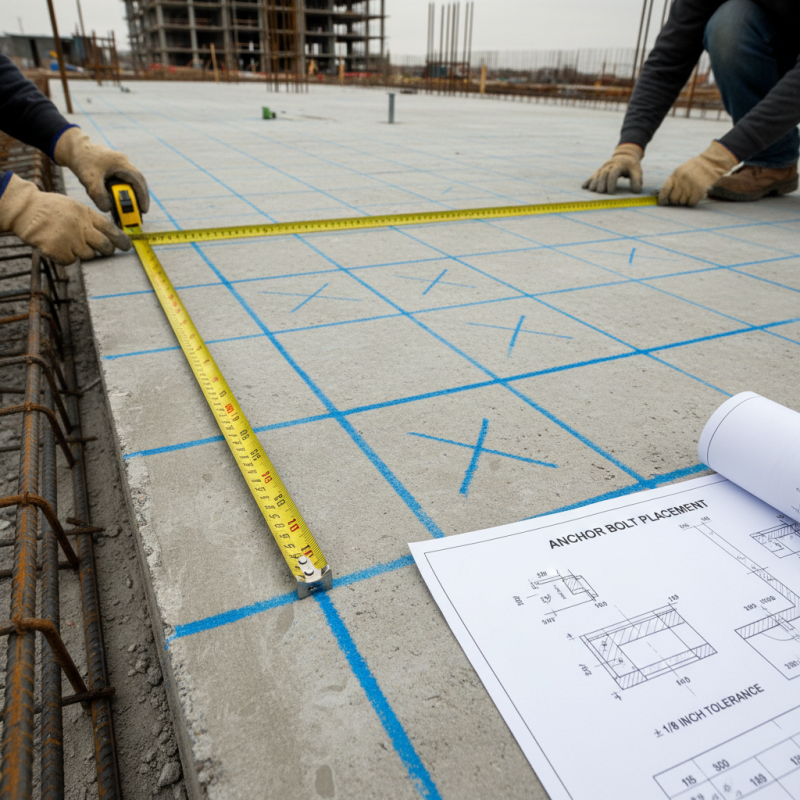
Next, ensure that the concrete surface is clean and free of debris, which can compromise the bond between the anchor and the substrate. It may be beneficial to use a wire brush or compressed air to remove any dust or particulate matter. Additionally, marking precise locations for the bolts helps in achieving accurate placements and proper alignments, which are vital for the stability of the structure. Measuring depth and width of the holes to be drilled should be done meticulously to adhere to the specifications required by the anchoring system being employed. This systematic approach sets the stage for a successful installation, ensuring the anchoring bolts perform effectively once in place.
Preparation Steps for Installing Anchoring Bolts in Concrete Foundations
Detailed Step-by-Step Guide for Drilling and Setting Bolts
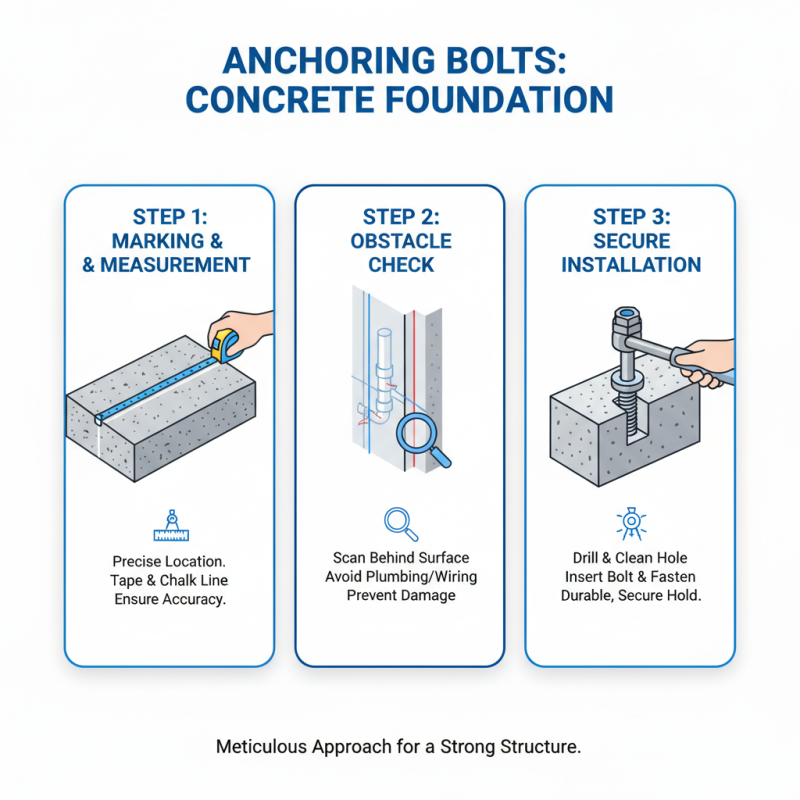
When installing anchoring bolts in concrete foundations, a meticulous approach ensures a durable and secure hold. The first step involves marking the precise location where the bolts will be installed. Use a measuring tape and a chalk line to ensure accuracy, as the positioning of the bolts will impact the overall strength of the structure. Once marked, it's crucial to check for any obstacles behind the concrete surface, such as plumbing or electrical wiring, to avoid any accidental damage during drilling.
Next, prepare your tools and select the appropriate drill bit for the diameter of the anchoring bolts. A hammer drill is recommended for concrete, as it provides the necessary power to penetrate the hard surface. Begin drilling at a slow speed, gradually increasing as you make progress, ensuring that you maintain a straight angle to create a clean hole. Depth is critical, so regularly check the depth using a measuring tape or a depth gauge to ensure you meet the specifications required for your bolts. Once the hole is complete, clean out any debris before proceeding with the installation of the anchors.
After preparation, insert the anchoring bolts into the drilled holes, using a level to ensure they're straight and aligned. Depending on the type of anchor being used, you may need to apply epoxy or other adhesives for additional strength. Tighten the nuts securely, following your manufacturer's guidelines closely. By following these detailed steps, you'll ensure a reliable foundation for your project, benefiting from the strong and stable support that properly installed anchoring bolts provide.
Best Practices for Ensuring Proper Alignment and Stability
Ensuring proper alignment and stability when installing anchoring bolts in concrete foundations is essential for the overall integrity of the structure. To achieve this, begin by accurately marking the bolt locations. Use a combination of measuring tapes and chalk lines to create a precise grid on the concrete surface. This initial step sets the stage for success, as even minor misalignments can lead to structural issues later. It’s also important to double-check measurements before drilling to verify that the positions and depths of the holes align with your project specifications.
Once the holes are drilled, inserting the anchoring bolts requires careful attention to stability. Utilize a level and a square to ensure that the bolts are positioned vertically and horizontally as planned. For added stability, consider using spacers or brackets during the installation to hold the bolts in place while the concrete is poured or the epoxy sets. Maintaining this alignment throughout the curing process is vital to prevent any shifting that could compromise the load-bearing capacity and durability of the foundation. By adhering to these best practices, you can enhance the performance and longevity of your concrete installations.
Common Mistakes to Avoid When Installing Anchoring Bolts
When installing anchoring bolts in concrete foundations, avoiding common mistakes can significantly enhance the
stability and longevity of your structure. One of the most prevalent errors is
improper hole drilling. According to a report from the American Concrete Institute, nearly
30% of installation failures are linked to incorrect hole diameter
and depth. It's crucial to follow the manufacturer's guidelines and ensure that the hole is both clean and
appropriately sized for the specific anchoring system being used. This not only promotes optimal bond strength but
also reduces the likelihood of bolt failure under load.
Another common mistake is neglecting to consider the curing time of concrete before installation.
The Concrete Network emphasizes that concrete needs to cure for at least 7 days
before it can adequately support any loads. Installing anchors too soon can lead to reduced anchorage, potentially
compromising structural integrity. Additionally, it's essential to evaluate environmental factors, such as temperature
and moisture, which can affect the curing process and overall performance of the anchoring bolts. By paying attention
to these details, you can ensure a safer and more effective anchoring system for
your concrete foundations.