Top Tips for Installing Anchoring Bolts in Concrete Foundations?
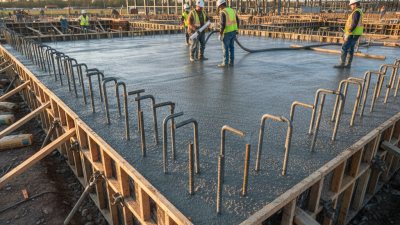
Anchoring bolts in concrete foundations are crucial for structural stability. Proper installation ensures safety and longevity. A strong foundation is essential for any building project. The risks of improper anchoring can be severe, leading to costly repairs.
Understanding the best practices for installing anchoring bolts is vital. Many overlook key steps, resulting in weak connections. It's important to select the right type of bolt and understand the correct spacing. Always ensure the concrete is fully cured before installation. This can prevent common mistakes that lead to failure.
While experience plays a role, following established guidelines is equally important. Regularly reviewing installation techniques can enhance confidence. Embrace the learning process, and don't hesitate to seek advice from experts. Anchoring bolts require careful consideration to protect your investment both now and in the future.
Choosing the Right Type of Anchoring Bolts for Your Project
When considering anchoring bolts for your concrete projects, selecting the right type is crucial. Different types serve unique purposes and withstand varying loads. For instance, expansion bolts expand within the concrete as you tighten them, providing a firm hold. On the other hand, adhesive anchors offer high strength with less risk of cracking the slab. Evaluating your project’s requirements is essential to avoid selecting inappropriate options.
Here are some tips. First, assess the load requirements. This will guide you on the size and type of bolt needed. Next, consider the environment. Corrosive conditions may require stainless steel or coated bolts for added protection. Lastly, ensure you follow installation guidelines carefully. Poor installation can lead to failure, risking safety and integrity.
Remember, it’s common to overlook details in installation. Always double-check measurements and bolt placements. Small errors can have significant consequences. Investing time upfront will pay off in the long run. Getting the right anchoring bolts is not just about strength but also about suitability to your specific needs.
Preparing the Concrete Foundation for Bolt Installation
When preparing a concrete foundation for installing anchoring bolts, proper attention to detail is crucial. A study by the American Concrete Institute (ACI) highlights that nearly 30% of anchoring issues stem from inadequate surface preparation. This emphasizes the importance of properly cleaning the area where the bolts will be installed. Any debris, oils, or dust can significantly affect the effectiveness of the bolts. Use a wire brush or a pressure washer for better results.
Proper placement and alignment of the bolts play a vital role in achieving optimal strength. The ACI recommends ensuring that bolt holes are correctly positioned within a tolerance of 1/16 inch. This precision can influence the load-bearing capacity of the anchors.
Tips:
- Always test the concrete hardness first. This helps in selecting the right drill bit and anchor type.
- Apply a release agent around the bolt hole to ease future removal.
- Consider the effects of temperature changes on the integrity of your installation.
Taking these initial steps can enhance the performance of your anchoring system, making concrete foundations much more robust and reliable.
Tools and Materials Needed for Installing Anchoring Bolts
When installing anchoring bolts in concrete foundations, it's crucial to have the right tools and materials. A recent industry report indicates that the proper equipment can significantly enhance the installation process. Essential tools include a power drill, hammer drill bits, and a socket wrench. High-quality concrete anchors also play a pivotal role in ensuring stability and security.
Tips: Always use tools that match the specific type and size of the anchoring bolts. Consider a torque wrench to apply the right tension, as excess force can lead to bolt failure. Additionally, wear safety goggles to protect your eyes from flying debris.
Materials are equally important. Select the appropriate type of anchoring bolt, such as wedge anchors for heavy loads or sleeve anchors for lighter applications. Researchers suggest that using a combination of stainless steel bolts with a concrete adhesive can improve the overall strength of the anchoring system.
While planning your installation, account for potential challenges. Check for any pre-existing tensile stress in the concrete, which might affect bolt performance. Review your installation technique periodically to identify any flaws or areas for improvement. This reflection can help ensure long-term success in anchoring projects.
Step-by-Step Guide to Properly Installing Anchoring Bolts
Installing anchoring bolts in concrete foundations is a crucial step in ensuring structural stability. A careful approach is essential. Begin by understanding the type of bolts required for your project. The choice of material and size can significantly affect performance. According to a report from the American Concrete Institute (ACI), proper installation can enhance load-bearing capacity by up to 50%.
Preparation is key. Before installation, drill holes with precision. Make sure the diameter and depth meet manufacturer specifications. Dust and debris should be thoroughly removed to enhance the adhesion of the epoxy. This attention to detail can make a significant difference, increasing the longevity of the anchors.
One common pitfall is not allowing the adhesive to cure fully. Always check the manufacturer’s recommendations on curing time. A rushed process may lead to failure under load. Remember, patience is vital in this stage. Tips to keep in mind include: use a level to ensure alignment and allow for temperature variations that may affect curing times. Adhering to these steps helps in achieving a reliable and robust foundation.
Common Mistakes to Avoid When Installing Anchoring Bolts
When installing anchoring bolts in concrete foundations, common mistakes can lead to structural issues. One frequent error is not using the correct size of bolt. An undersized bolt may fail under tension, while an oversized one can create unnecessary stress on the concrete. It's critical to follow the specifications for your project. Measure twice, and then measure again before making any decisions.
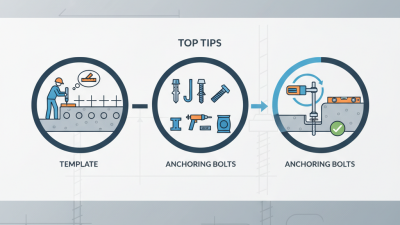
Another common mistake is improper placement of bolts. They should be set at the right depth, ensuring sufficient embedment. If they are too shallow, they won't hold properly. Consider using a template to maintain accurate spacing and alignment. This simple step can save a lot of trouble later. Additionally, failing to clear debris or dust from the holes can hinder the bonding of epoxy or the effectiveness of anchor adhesives.
Overlooking curing times is another error to avoid. Concrete must cure adequately before the bolts are installed. Rushing this step can compromise the integrity of the installation. Lastly, regularly check your work for any misalignment or shifts during the curing process. Reflecting on these potential pitfalls will help ensure a safer and more successful installation.