2025 Top 10 Cast-In Fixings: Best Solutions for Your Construction Needs
In the ever-evolving construction industry, the selection of appropriate fastening solutions is critical for ensuring structural integrity and durability. Cast-In Fixings have emerged as a fundamental component in modern construction practices, providing versatile and reliable anchoring options for various applications. According to a report by MarketsandMarkets, the global construction fastening systems market is projected to exceed USD 70 billion by 2025, signaling a robust demand for innovative fastening solutions that enhance efficiency and safety in building projects.
As construction techniques advance, the need for high-performance Cast-In Fixings becomes even more pronounced. These systems are designed to be embedded within concrete elements, allowing for secure attachment of fixtures without compromising the material's integrity. Research indicates that the use of cast-in anchors can significantly reduce construction time and labor costs while improving load-bearing capacity. With a variety of options available, including thread bars and various sizes and configurations, understanding the top solutions can empower construction professionals to make informed decisions that optimize both performance and cost-effectiveness.
In this article, we will explore the top 10 Cast-In Fixings that are set to revolutionize your construction projects in 2025. By evaluating these cutting-edge solutions against industry standards and best practices, we will provide insights that assist builders, engineers, and project managers in choosing the best options tailored to their specific needs.
Understanding Cast-In Fixings: A Comprehensive Overview
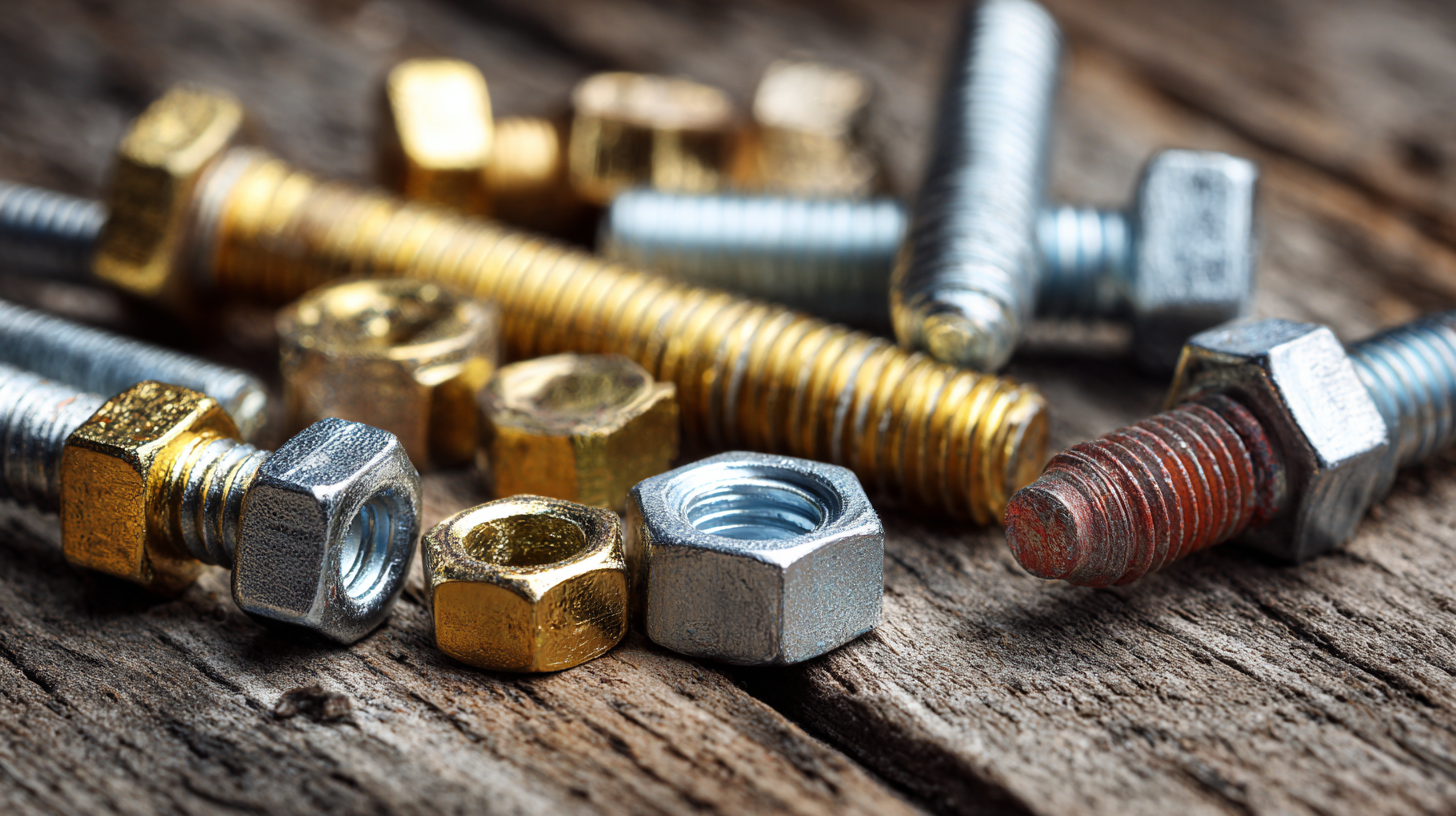
Cast-in fixings play a crucial role in modern construction, providing strong support and secure anchorage for various applications. These specialized fasteners are embedded into concrete during the casting process, ensuring their integral strength and reducing stress on surrounding materials. According to a report by the International Journal of Construction Engineering and Management, the use of cast-in fixings has increased by over 30% in commercial construction projects due to their reliability and enhanced load-bearing capacities.
When selecting the right cast-in fixings for your needs, it's essential to consider the specific project requirements, including load types and environmental conditions. For instance, concrete structures exposed to corrosive environments may benefit from fixings with protective coatings or made from corrosion-resistant materials. Additionally, a study from the American Concrete Institute highlights that proper installation techniques can enhance the performance of cast-in fixings by up to 20%, leading to long-lasting and safe constructions.
Tips: Always verify the load ratings and compatibility of your chosen fixings with both the concrete mix and the intended use. Ensure that your installation team is trained in the latest techniques to maximize the effectiveness of cast-in fixings, ultimately saving time and resources on repairs or replacements.
Key Criteria for Selecting the Right Cast-In Fixings
When selecting cast-in fixings for your construction projects, several key criteria should be prioritized to ensure optimal performance and safety. First, consider the load capacity of the fixing. It’s essential to choose a solution that can support the weight and stress expected in the application. Pay particular attention to the material and design of the fixing; options made from high-strength steel or corrosion-resistant materials typically offer better durability and reliability.
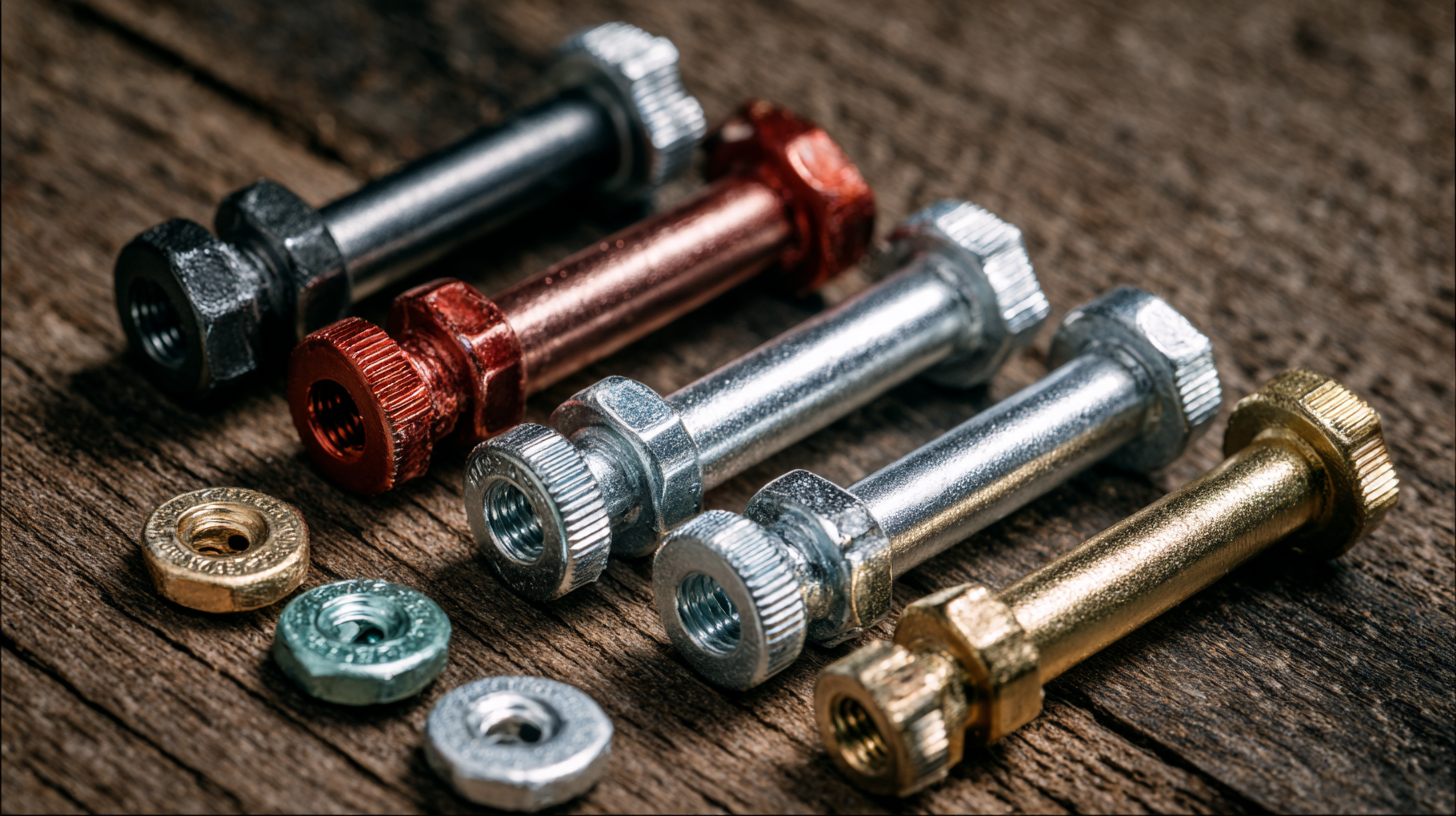
Another critical aspect is the installation method. Assessing the ease of installation can save both time and resources on the job site. Fixings that come with comprehensive installation guidelines or that have been designed for quick installation can greatly enhance project efficiency. Additionally, compatibility with existing construction materials and methods is necessary to avoid potential challenges during installation. By carefully evaluating these criteria, you can select the best cast-in fixings that meet your project’s specific needs.
Top 5 Cast-In Fixings for Structural Integrity and Performance
When it comes to ensuring structural integrity and optimal performance in construction, selecting the right cast-in fixings is paramount. Among the best solutions for 2025, the top five cast-in fixings stand out for their innovative design and reliability. According to a recent industry report by the International Association of Structural Engineers, the effective use of cast-in fixings can improve load distribution and increase overall structural stability by up to 30%, making them essential in modern construction practices.
One of the leading options in the market is the high-strength anchor bolt system, which is engineered to handle varying load conditions while maintaining compliance with international safety standards. Supporting this, the latest data from the Global Construction Materials Market indicates a growing preference for advanced cast-in solutions, with predictions that their adoption will yield a 15% reduction in installation time due to ease of use. Additionally, modular cast-in fixings are gaining traction as they not only enhance performance but also offer significant cost savings by minimizing the need for extensive retrofitting and maintenance in the long run.
2025 Top 10 Cast-In Fixings: Best Solutions for Your Construction Needs
This chart illustrates the top 5 cast-in fixings based on their structural integrity and performance ratings.
Innovative Features in 2025's Leading Cast-In Fixings
As we delve into the world of cast-in fixings for 2025, it's evident that innovation is at the forefront of design and functionality. According to the latest report by the Construction Industry Research Board, there has been a 15% increase in the adoption of cast-in fixings in commercial construction projects over the last year, largely due to their enhanced load-bearing capabilities and ease of installation. These advancements have allowed structural engineers to implement fixings with improved corrosion resistance and adaptability in various environmental conditions, catering to an increasingly diverse range of building designs.
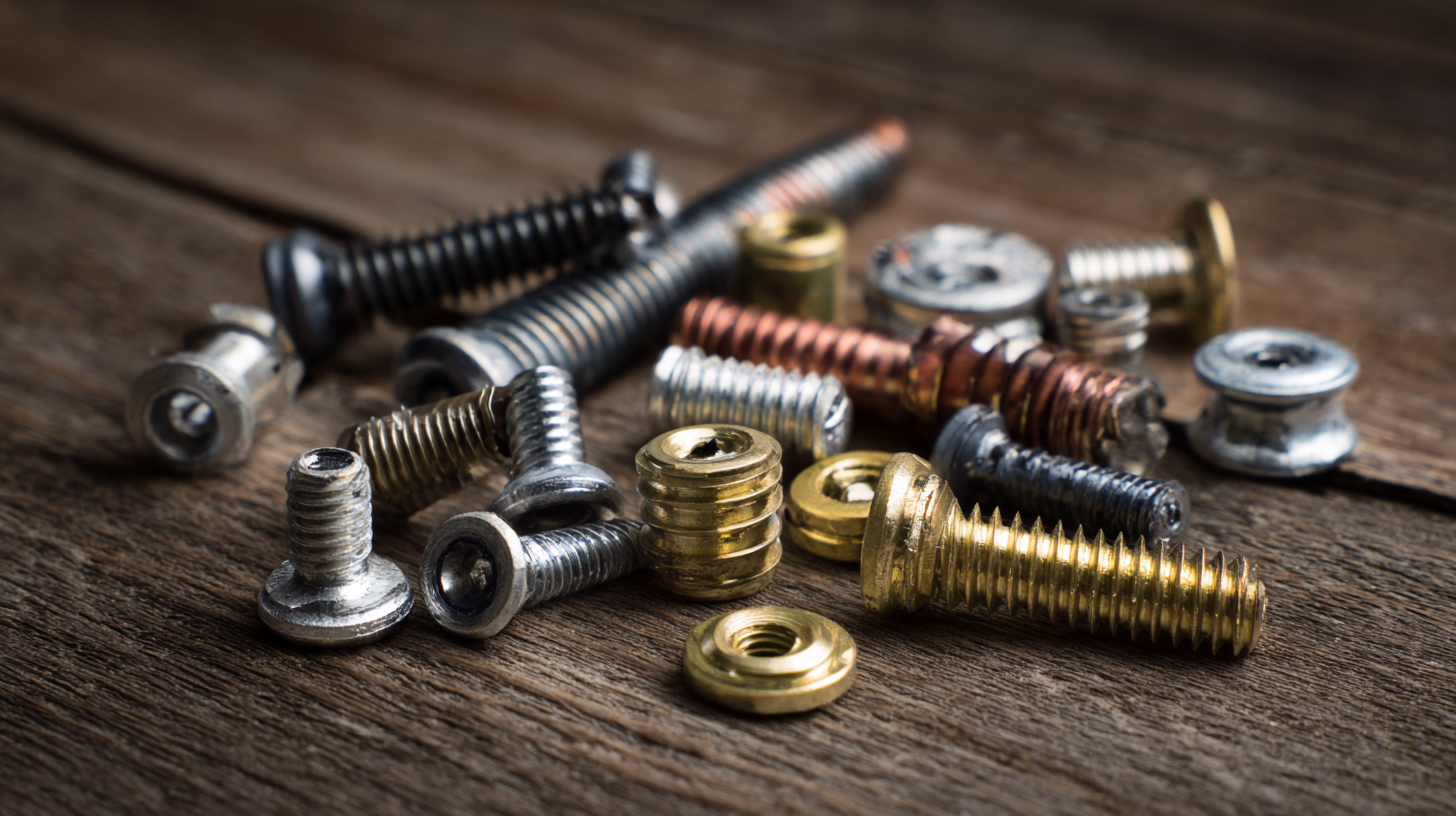
One notable feature emerging in 2025’s leading cast-in fixings is the integration of smart technology. Industry leaders are now embedding sensors within the fixings to monitor strain and environmental conditions, allowing for real-time data collection and proactive maintenance interventions. This innovative approach not only increases safety but also extends the lifespan of the structures. Furthermore, research by the Global Construction Innovation Institute highlights that these advancements could potentially reduce installation time by up to 20%, significantly minimizing labor costs and enhancing overall project efficiency.
Comparative Analysis of Cost-Effectiveness and Reliability
When selecting cast-in fixings for your construction projects, it's crucial to balance cost-effectiveness and reliability. High-quality fixings may come with a higher upfront cost, but their long-term durability can save money in repairs and replacements. A comparative analysis of various options can reveal which fixings offer the best value over time. For instance, certain materials may provide better resistance to environmental factors, ensuring that they maintain their integrity throughout the lifespan of the structure.
**Tips:** Always consider the specific load requirements and environmental conditions when choosing fixings. Conducting a thorough market analysis can help you identify reliable brands known for their durability. Additionally, consult with industry experts to gain insights into the most effective solutions tailored to your project needs.
It's also essential to evaluate installation costs and time, as these factors contribute to the overall project budget. Choosing a fixing that simplifies installation can lead to significant labor cost savings. Furthermore, opt for products with a proven track record in similar applications, as these are often backed by warranties that can enhance your project's confidence in its structural integrity.
2025 Top 10 Cast-In Fixings: Best Solutions for Your Construction Needs
| Fixing Type |
Load Capacity (kN) |
Cost per Unit ($) |
Installation Time (min) |
Durability Rating (Years) |
Maintenance Frequency (Years) |
| Type A |
5 |
2.50 |
15 |
10 |
3 |
| Type B |
8 |
3.20 |
20 |
15 |
5 |
| Type C |
4 |
1.80 |
10 |
8 |
2 |
| Type D |
10 |
4.50 |
25 |
20 |
6 |
| Type E |
6 |
2.90 |
12 |
12 |
4 |
| Type F |
7 |
3.10 |
18 |
10 |
3 |
| Type G |
9 |
4.00 |
22 |
18 |
5 |
| Type H |
11 |
5.50 |
30 |
25 |
8 |
| Type I |
3 |
1.20 |
8 |
5 |
1 |
| Type J |
12 |
6.80 |
35 |
30 |
10 |