Top Anchoring Cements for Global Buyers What to Choose?
In the construction and engineering sectors, Anchoring Cements play a critical role in ensuring stability and safety. According to a recent market report by Research and Markets, the global anchoring cement market is projected to reach $2.4 billion by 2025, reflecting a compound annual growth rate (CAGR) of 5.2%. This growth underscores the rising demand for reliable anchoring solutions across various applications.
Various buyers face challenges in choosing the right Anchoring Cements for their projects. Some often overlook critical factors like tensile strength and curing time, leading to potential failures. A study by Technavio highlights that 40% of construction accidents stem from inadequate anchoring systems, emphasizing the importance of selecting quality materials.
Understanding the diverse types of Anchoring Cements available is vital for informed decision-making. Each type caters to specific needs, and buyers must conduct thorough research before purchasing. While many options exist, not all are equal. Buyers need to weigh performance against cost and application requirements. Reflecting on these considerations can help in making more reliable choices.

Top Anchoring Cements: Types and Their Applications in Construction
Anchoring cements play a crucial role in construction projects. They secure fixtures and equipment and ensure stability. Different types cater to various needs, and understanding these can enhance project outcomes.
Epoxy-based cements are popular for their strong adhesion and chemical resistance. They work well in moist conditions and can bond to diverse surfaces. Consider their use in industrial settings for heavy machinery installation. However, they can be tricky to mix, so precision is vital.
Polyurethane cements offer flexibility and durability. They resist cracking and work in dynamic applications. However, they might not perform well in extreme temperatures. Always check environmental conditions before selection.
**Tips:**
When choosing anchoring cements, examine environmental factors. Do not assume one type fits all. Moreover, test small batches before scaling up. This can prevent costly mistakes.
Top Anchoring Cements for Global Buyers
| Type of Anchoring Cement |
Application |
Strength (MPa) |
Setting Time (Hours) |
Water Resistance |
| Epoxy Anchoring Cement |
Heavy loads, structural applications |
25-35 |
6-8 |
Excellent |
| Polyester Anchoring Cement |
General anchoring, lower loads |
15-25 |
4-6 |
Good |
| Cement-Based Anchoring Cement |
Light to medium loads, masonry |
10-15 |
2-4 |
Fair |
| Hybrid Anchoring Cement |
Multi-purpose, versatile use |
20-30 |
3-5 |
Very Good |
| Fast-Setting Anchoring Cement |
Rapid repairs, urgent applications |
20-28 |
1-2 |
Good |
Global Market Analysis: Leading Brands and Their Market Shares
The anchoring cement market is witnessing significant growth globally. Recent data indicates that this market is expected to reach USD 5 billion by 2025, driven by construction and infrastructure projects. Leading brands currently dominate the market, but new players are emerging. Their innovative products are often more cost-effective and meet diverse construction needs.
Market analysis reveals that top brands hold approximately 55% of the market share. However, regional brands are gaining traction, especially in Asia. Companies focus on enhancing product performance and sustainability. These trends indicate a shift towards eco-friendly anchoring solutions, responding to the growing demand for sustainable construction practices.
Tips: Always assess the environmental impact of anchoring cements. Opt for products with sustainable certifications. Additionally, consider the specific requirements for your project, as quality and performance can vary significantly. Comparing brands based on their technical data sheets may reveal which options best suit your needs.
Performance Metrics: Comparing Strength and Durability of Cements
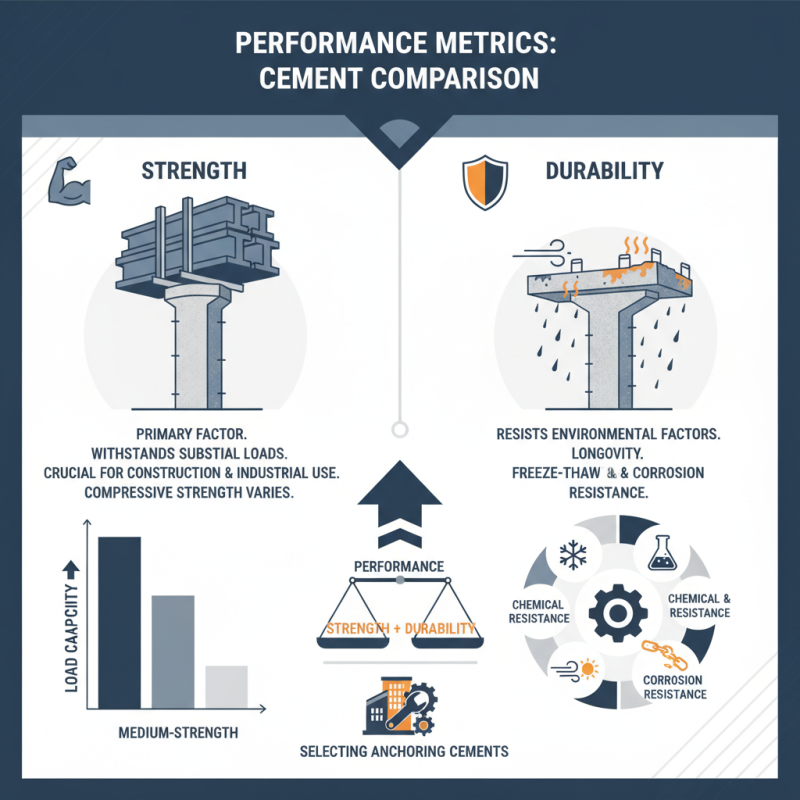
When selecting anchoring cements, performance metrics are crucial. Strength is a primary factor to consider. High-strength cements can withstand substantial loads without failing. This is especially important in construction and industrial applications. A cement’s compressive strength can range widely. Some may excel in pressure resistance, while others may not hold up under extreme conditions.
Durability complements strength in performance metrics. A durable cement resists environmental wear over time. Factors such as moisture, temperature changes, and chemical exposure affect durability. Cements with good resistance to these challenges offer longer service life. Testing for durability should include real-world scenarios. Often, laboratory results do not reflect actual conditions.
Buyers must also consider potential trade-offs. A cement that offers high strength may lack in durability. Alternatively, some durable options may not provide the immediate strength needed for quick setups. Understanding these nuances is essential. Factors such as the environment of use and load requirements need careful evaluation. Each project's demands vary, making it imperative to choose wisely based on specific needs.
Environmental Considerations: Sustainable Practices in Cement Production
The cement industry plays a significant role in environmental sustainability. As global buyers seek reliable anchoring cements, it is crucial to focus on eco-friendly production methods. Sustainable practices reduce carbon emissions and resource depletion. Innovations in cement formulations help decrease the carbon footprint. For instance, some companies are incorporating alternative fuels and raw materials into their production processes.
Tips: When choosing cement, consider those that use local materials. This not only supports local economies but also reduces transportation emissions. Look for certifications that indicate a commitment to sustainability. Green building standards are a good reference.
Sustainability in cement production is not without challenges. The industry grapples with high energy consumption and waste management. Many producers now aim to utilize waste products from other industries as inputs. This approach minimizes landfill contributions and enhances resource efficiency. However, the effectiveness of these practices varies. Not all regions have the infrastructure needed to support sustainable practices. Always evaluate the local context before making choices.
Cost Factors: Pricing Trends and Value Assessment for Buyers
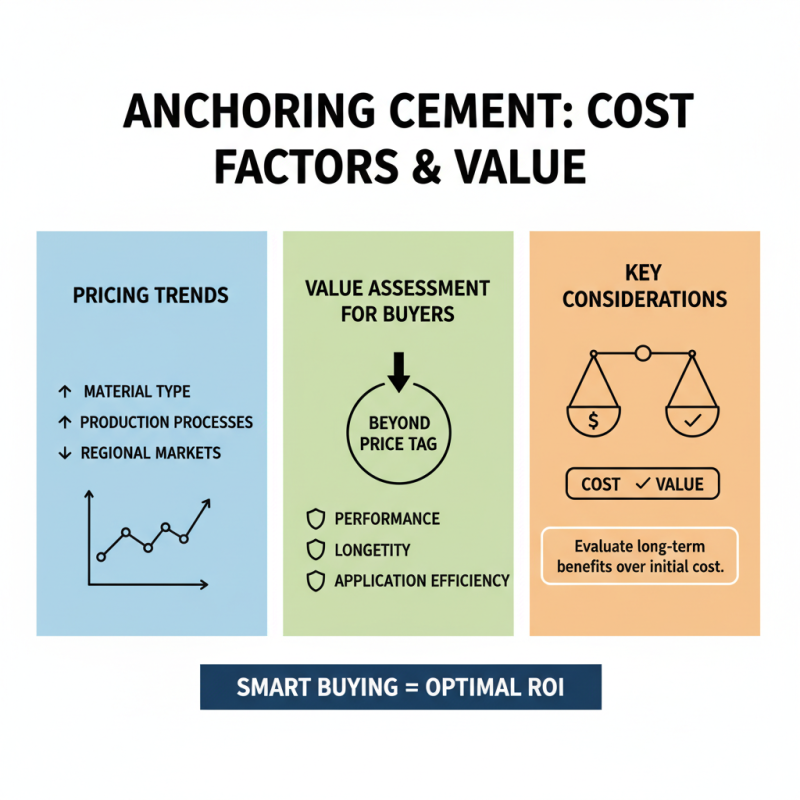
When exploring anchoring cements, understanding cost factors is essential. Pricing trends can vary widely depending on the material type, production processes, and regional markets. Buyers should assess the value offered by different products. This goes beyond just looking at the price tag. It's crucial to evaluate performance, longevity, and application efficiency.
Market research shows some anchoring cements can appear cheaper upfront but may not deliver long-term reliability. Investing in higher-quality options might offer better durability and effectiveness. In this case, lower upfront costs can lead to higher expenses over time due to repairs or replacements. Making informed decisions requires careful thought about these trade-offs.
Contractors and builders often stress the importance of sourcing reliable cements. Local availability impacts pricing as well. Cements that are imported can carry additional costs like shipping and tariffs. Buyers should consider these factors to determine the real value of the product. Reliable sources of information are key to navigating this market. An effective approach can save both time and money while ensuring project success.