What Are the 2026 Best Types of Cast-In Fixings?
Choosing the best Cast-In Fixings for 2026 is not a simple product comparison. The right choice depends on load direction, concrete strength, edge distance, corrosion exposure, and installation timing. A fixing that performs well in a dry indoor slab may fail to suit a coastal structure. Small details matter.
Dr. Rolf Eligehausen, a leading authority on concrete anchors, has often emphasized this principle: “The load path must be understood before the anchor is selected.” That idea remains highly relevant. Cast-in channels, headed studs, anchor plates, ferrules, and internally threaded inserts each serve different structural and installation needs. Their performance also depends on reinforcement layout, embedment depth, concrete consolidation, and inspection quality. A strong specification should reference verified test data, recognised design methods, and the manufacturer’s installation limits.
Real projects are less perfect than catalogues suggest. Reinforcement may obstruct an intended position. Concrete placement can create voids around a fixing. Workers may also adjust locations under pressure. These risks deserve honest attention. Sometimes, the “best” fixing is not the strongest option, but the one that remains practical, inspectable, and compatible with the construction sequence.
This guide examines the leading types of Cast-In Fixings expected to matter in 2026. It considers structural capacity, corrosion resistance, adjustability, fire performance, installation speed, and long-term maintenance. The discussion is designed for engineers, contractors, fabricators, and project managers who need dependable decisions. Product claims alone are not enough. Field experience still matters.
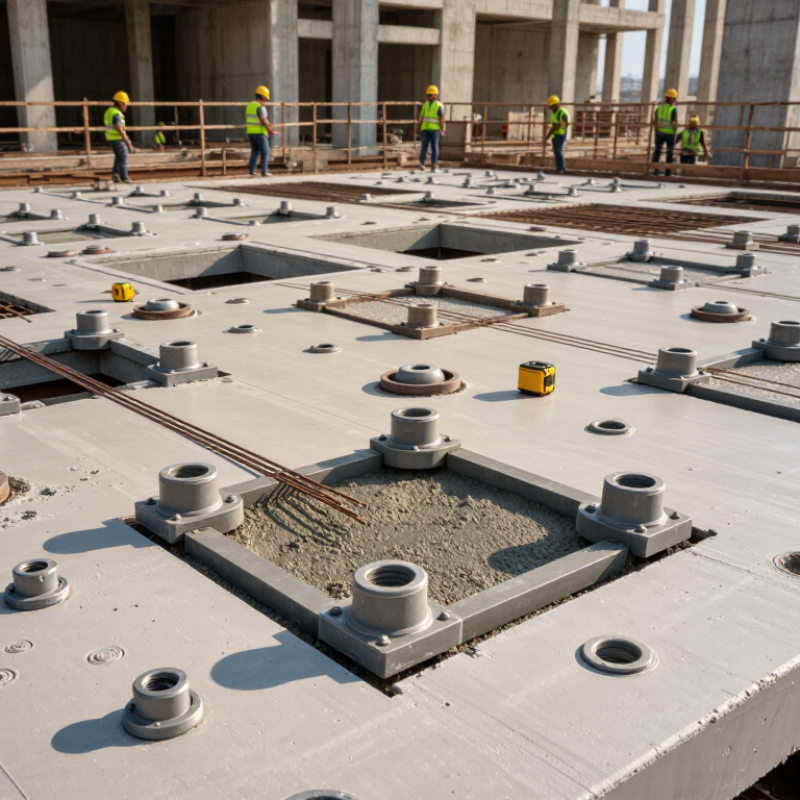
Definition and Role of Cast-In Fixings in Modern Construction
What Are the 2026 Best Types of Cast-In Fixings?
Cast-in fixings are embedded components installed before concrete hardens. They create secure attachment points for structural and service elements. Unlike post-installed anchors, they become part of the concrete assembly. Their position must be planned before pouring begins.
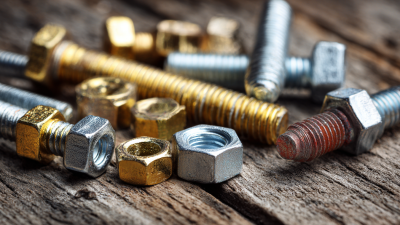
Common types include cast-in channels, headed studs, anchor plates, threaded inserts, and lifting anchors. Cast-in channels support adjustable connections for façades, cable trays, and mechanical services. Headed studs transfer tension and shear through their welded heads. Threaded inserts suit lighter fixtures, panels, and temporary equipment. Anchor plates provide concentrated support for steelwork and structural brackets. The best choice depends on load, access, corrosion exposure, and adjustment needs.
On real sites, coordination often matters more than the fixing itself. A channel may be strong, yet useless if reinforcement blocks the bolt path. Concrete cover, edge distance, and vibration require careful checking. Engineers should review design drawings, load combinations, installation tolerances, and concrete strength. Inspectors can verify location with templates before the pour. Photographs also help document hidden components.
Not every installation is perfect. Workers can shift an insert by a few millimetres. That small error may affect a façade connection later. I have seen rushed layouts create expensive drilling and rework. Better results come from marked reference lines, protected threads, and clear inspection records. Corrosion-resistant materials may be necessary in wet or chemically aggressive environments. Fire performance and fatigue loading also deserve attention. A “best” fixing is only best when its full installation conditions are understood.
Key Types of Cast-In Fixings and Their Structural Features
What Are the 2026 Best Types of Cast-In Fixings?
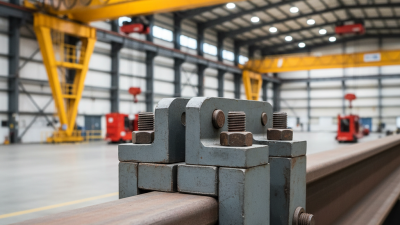
Cast-in fixings transfer loads directly into fresh concrete. Their performance depends on geometry, embedment, reinforcement, and installation accuracy. Headed studs provide reliable tension and shear resistance through mechanical anchorage. They suit steel plates, façade brackets, and precast connections. Anchor channels offer adjustable positioning, which helps when site tolerances shift. However, channels need careful reinforcement coordination and adequate concrete cover.
Threaded inserts support repeated bolted connections in walls, slabs, and precast panels. Ferrule inserts are useful for temporary or removable fixtures, but their capacity can fall sharply under eccentric loading. Plate anchors distribute forces over a larger concrete area. They can reduce local stress concentrations. Lifting anchors need separate checks for impact, edge distance, and accidental side loading. Small details matter.
ACI 318-19 Chapter 17 requires checks for concrete breakout, pullout, pryout, and steel failure. These failure modes should guide selection, not catalogue capacity alone. The 2024 World Steel in Figures report recorded about 1.9 billion tonnes of crude steel production in 2023, highlighting steel’s scale and its corrosion responsibilities. UNEP’s 2023 Global Status Report links buildings and construction with 34% of global energy demand and 37% of energy-related emissions. Durable, repairable connections may reduce replacement work, although the carbon benefit needs project-specific assessment. A perfectly neat design can still fail through poor placement. Field verification remains essential.
How to Select Cast-In Fixings for Different Applications
What Are the 2026 Best Types of Cast-In Fixings?
Selecting cast-in fixings depends on the load, concrete condition, installation sequence, and future access needs. Headed studs suit permanent shear and tension connections in structural concrete. Ferrule inserts work well for temporary or replaceable bolts. Anchor channels offer adjustable positioning when façade rails, services, or equipment may shift during construction.
Check the application before choosing the fixing. For heavy steelwork, use headed studs or cast-in plates with verified welds and adequate edge distances. For suspended ceilings and mechanical services, threaded inserts can simplify alignment above a congested slab. In corrosive areas, stainless or suitably protected components deserve closer review. Fire-exposed zones require tested assemblies, not assumptions. EN 1992-4:2018 provides design principles for fastenings in concrete, while ACI 318-19 Chapter 17 addresses anchor strength, spacing, cracking, and edge effects.
The Concrete Future Roadmap from the Global Cement and Concrete Association identifies concrete as responsible for about 7% of global carbon dioxide emissions. This supports careful sizing and reduced rework, especially where drilling or demolition would waste embedded material. A channel may cost more initially, yet it can prevent misplaced anchors and repeated site repairs. Inspectors should verify embedment depth, reinforcement clearance, torque access, and protective cover. Small details matter.
A neat selection matrix can still miss real site conditions. Trial installation and photographic records remain valuable. Don't rely on drawings alone.
Installation Process and Quality Control Requirements
What Are the 2026 Best Types of Cast-In Fixings?
For 2026 projects, headed studs, anchor channels, cast-in plates, and threaded sleeves remain practical choices. Each type suits different load paths and installation conditions. Headed studs provide dependable tension and shear transfer in reinforced concrete. Anchor channels allow later adjustment for façade rails, services, and equipment supports. Cast-in plates work well where welded or bolted connections need a broad bearing surface. Selection should follow design loads, edge distances, concrete strength, corrosion exposure, and access limits.
Installation quality begins before the concrete pour. Check drawings, fixing schedules, thread sizes, and required embedment depths. Mark every fixing from stable reference lines, not formwork edges alone. Secure assemblies against movement using rigid supports and temporary bracing. Protect threads with clean caps. Remove standing water, loose rust, oil, and debris around the fixing zone. During placement, monitor vibration carefully. Excessive vibration can shift channels or reduce concrete contact beneath plates.
Quality control needs measurable records. Inspect location, elevation, orientation, projection, and weld condition before pouring. Photograph congested areas. Record batch numbers, material certificates, and inspection results. After curing, verify exposed threads with suitable gauges and check for damage or blockage. Nonconforming fixings should be assessed by a qualified engineer, not forced into alignment. A perfect checklist cannot replace judgment. On busy sites, small position errors are still easy to miss. Independent hold-point inspections can catch them before loading begins.
2026 Trends in Cast-In Fixing Design and Performance
What Are the 2026 Best Types of Cast-In Fixings?
2026 Trends in Cast-In Fixing Design and Performance
Cast-in channels, headed studs, and anchor plates remain leading choices for concrete connections. Their value is shifting from simple load transfer to measurable lifecycle performance. The UNEP Global Status Report for Buildings and Construction 2023 reported that buildings produced 37% of global energy-related emissions. This pressure is changing fixing design. Engineers now assess steel quantity, installation waste, inspection access, and future adaptability.
Current projects favor galvanized or stainless steel fixings in aggressive environments. High-strength headed studs support compact connections, while cast-in channels offer adjustable positioning around services and façade tolerances. ACI 318-19 and EN 1992-4 require careful checks for concrete breakout, edge distance, pry-out, and seismic actions. Digital coordination also helps. The Dodge Construction Network’s 2024 SmartMarket research found that many construction firms are expanding digital workflows to reduce rework. Yet software cannot correct poor embedment or congested reinforcement.
Tips: Specify loads, exposure class, fire requirements, and tolerances before selecting a fixing. Photograph reinforcement and fixing locations before the pour. Small details matter. Use independent calculations for unusual loads or thin slabs. I have seen neat drawings fail when site teams lacked a practical installation sequence. That remains an uncomfortable lesson. Check torque, weld quality, and concrete strength records after curing. Performance should be documented, not assumed.