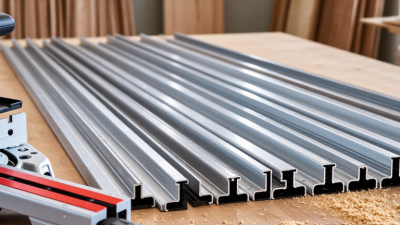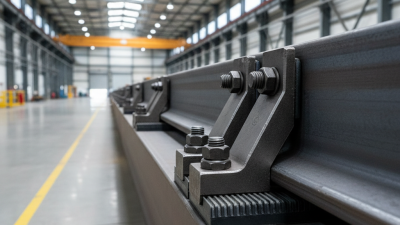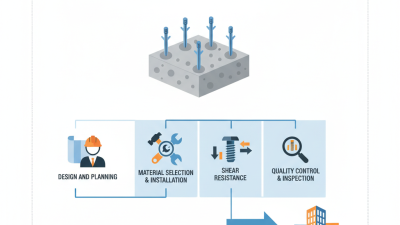
Choosing the right Bevel Cut Rails requires more than comparing prices or advertised cutting angles. Global buyers need stable guidance, accurate stops, compatible hardware, and dependable after-sales support. A rail that feels rigid on a workbench may flex during a long aluminum or hardwood cut. Small errors become visible at the final joint.
Industry data supports this need for careful selection. Grand View Research’s power tools market analysis identifies continued growth in professional and construction-related equipment, driven by productivity, portability, and improved precision. However, market reports use different product definitions and regional methods. Their figures should guide research, not replace technical verification. That distinction matters when comparing rails from unfamiliar suppliers.
This guide evaluates seven Bevel Cut Rails through practical criteria, including material stiffness, guide accuracy, bevel-range control, locking performance, scale readability, and replacement-part access. It also considers transport damage, metric and imperial markings, and compatibility with common saw platforms. These details affect real work: a loose clamp can shift a rail by a few millimeters, while poor markings can spoil an expensive panel. ISO 12100 principles also encourage buyers to consider foreseeable machine-use risks, guarding, and stable operation.
There is no universal winner. A compact rail may suit mobile installers, while a heavier model may serve workshop production better. Some product claims remain difficult to verify without long-term testing. That limitation deserves honest attention. Our comparison therefore combines reported specifications, manufacturer documentation, user-focused observations, and critical judgment for buyers across different markets.
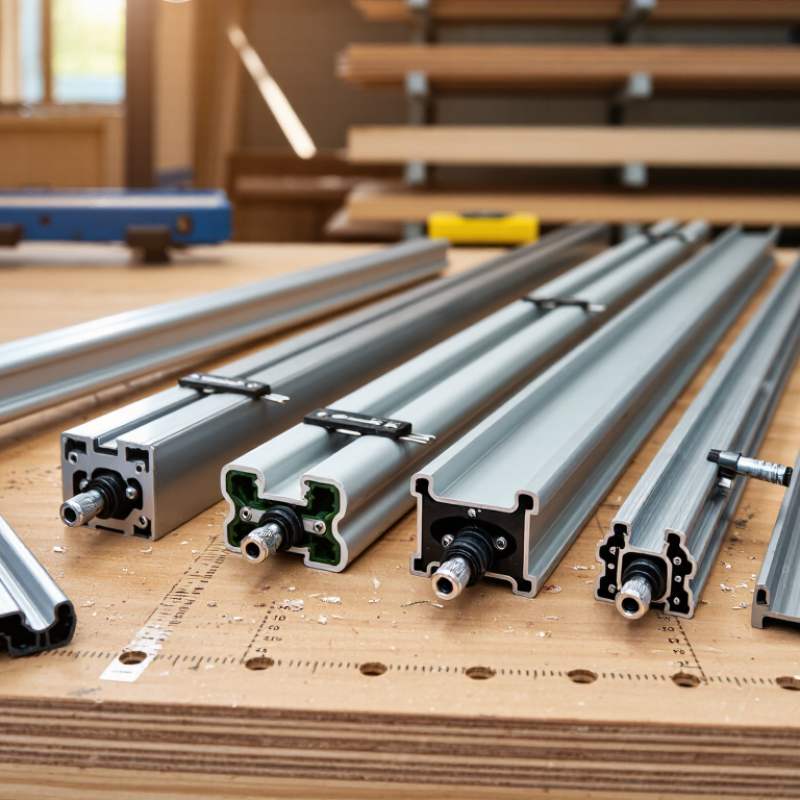
Bevel cut rails are rail sections with an angled edge or end, rather than a square cut. The bevel helps two pieces meet cleanly at stairs, ramps, corners, or changing elevations. In a handrail system, installers measure the rise and run, calculate the cutting angle, then join the sections with compatible brackets or connectors.
A small error can create a sharp lip. It can also weaken the joint.
Material choice matters. The World Steel Association reported approximately 1.85 billion tonnes of crude steel production in 2023, showing why steel remains important for durable rail components. Aluminum is lighter, while treated steel often offers stronger impact resistance.
For outdoor projects, buyers should check coating thickness, drainage design, and salt-spray performance. ASTM and ISO documents provide useful testing frameworks, but they do not replace local building requirements.
Real installation experience reveals a common problem: catalog angles may not match site conditions.
Measure twice. Cut once. Even then, verify the fit.
ISO 14122-3 addresses permanent access and guardrail safety, including geometry and protection principles. The U.S. Occupational Safety and Health Administration also emphasizes secure railing systems and safe working surfaces.
Buyers should request drawings, load information, dimensional tolerances, and corrosion data before ordering.
Packaging deserves attention too. Bent rails often arrive after long-distance transport, not because the design failed. That detail is easy to overlook.
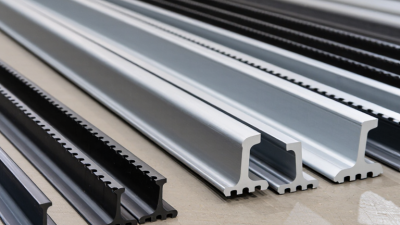
For global buyers comparing the seven best bevel cut rails, material choice should guide the decision. The rail must resist wear, vibration, and changing temperatures during daily use. Hardened carbon steel offers strong load support and dependable edge retention. It suits demanding cutting systems with repeated pressure. Stainless steel provides better corrosion resistance in humid workshops and coastal regions. Aluminum is lighter, but it can deform under excessive clamping force. That trade-off is easy to overlook. I have found that surface treatment matters almost as much as the base metal. A precise grind, protective coating, and clean finish reduce friction without hiding manufacturing flaws.
Design details decide whether a rail performs consistently. Look for a controlled bevel angle, straight reference edges, and evenly spaced mounting holes. A wider rail can improve stability, while a slimmer profile may fit compact equipment. Rounded corners reduce handling injuries and prevent fabric or cables from catching. Replaceable wear strips can extend service life and simplify maintenance. Check the tolerance data, not only the product photograph. Small alignment errors become visible as uneven cuts, especially across long workpieces. Drainage grooves may help in wet environments, although they can collect dust when cleaning is neglected. That point deserves more testing. Buyers should also confirm compatible fasteners, allowable load, inspection records, and corrosion standards before approving a rail for international shipment.
Bevel cut rails support controlled angled cutting in cabinetry, framing, and interior installation. Global buyers can compare seven practical options: aluminum guide rails, steel rails, modular extrusion rails, compact trim rails, long-format rails, adjustable rails, and reinforced jobsite rails.
Aluminum models are light and resist corrosion, while steel versions usually tolerate heavier workshop use.
Modular extrusion rails offer easier replacement, though their joints may introduce alignment errors.
A 2024 MarketsandMarkets report valued the global construction equipment market at about USD 250 billion in 2023. This growth increases demand for portable, repeatable cutting systems.
For export projects, buyers should inspect rail straightness, clamp compatibility, metric or imperial markings, and spare-part availability.
A 1.5-metre rail suits cabinet panels.
Longer rails reduce repositioning on large boards.
Check the cut angle twice.
Manufacturing tolerances matter. ISO 2768 provides general tolerance guidance for machined dimensions, but it does not replace product-specific inspection.
The safest choice depends on load, transport conditions, and operator skill.
One overlooked issue is surface finish; a smooth anodized rail can reduce sliding resistance, yet scratches remain possible during shipping.
Reported market figures also vary by research scope, so buyers should compare definitions before trusting a forecast.
That caution feels necessary.
How to Compare Accuracy, Durability, Compatibility, and Cost
Accuracy should be tested, not assumed. Measure rail straightness with a calibrated straightedge and feeler gauge. For bevel cuts, check the angle at 22.5, 30, and 45 degrees. A small error can widen across a long panel. Look for repeatable results after several cuts. Consistency matters more than one perfect sample. Keep records.
Durability depends on materials and daily handling. Anodized aluminum resists surface wear, while reinforced joints reduce movement during transport. Inspect locking levers, end stops, and connection points. Loose fittings often appear before visible damage. Dust also matters. Fine particles can block sliding channels and reduce accuracy. Cleaning should be simple and tool-free.
Compatibility covers more than rail length. Confirm the guide profile, saw base, clamps, connectors, and replacement parts. For international buyers, check measurement standards and available technical support. Cost should include shipping, taxes, spare components, and possible adapters. A cheaper rail may become expensive after repeated adjustments. I still question catalog tolerances without independent testing. Real workshop conditions are less forgiving. Choose the rail that remains stable, fits your equipment, and performs predictably over time.
For global buyers, the seven best bevel-cut rails are not simply the cheapest options. Assess cut accuracy, rail hardness, corrosion protection, load capacity, documentation, packaging, and after-sales support. A supplier should provide drawings, material certificates, inspection records, and clear dimensional tolerances. ISO 9001 certification can indicate controlled processes, but it does not prove every rail meets your application requirements. The final drawing still matters most.
International standards reduce misunderstandings. Confirm whether dimensions follow the agreed technical standard, and request samples from the same production route. Check end-face squareness with a calibrated gauge, especially when rails must join tightly. Small errors can create visible gaps during installation. Ask suppliers to record inspection results before shipment. I would not rely on photographs alone.
Shipping needs equal attention. UNCTAD’s Review of Maritime Transport reports that more than 80% of global merchandise trade by volume moves by sea. Therefore, sealed packaging, moisture barriers, corner protection, and crate markings are practical necessities. The World Bank’s Logistics Performance Index 2023 also evaluates customs, infrastructure, tracking, and delivery timeliness. Request a packing list, HS classification support, insurance terms, and shipment tracking. Supplier support should include installation guidance, replacement procedures, and response targets. A perfect sample may still fail in transit. That risk deserves a written plan.