What is Hot Dip Galvanised Bolts and Why Choose Them?
In the construction industry, the choice of fastening materials can significantly impact the durability of structures. Hot Dip Galvanised Bolts offer an effective solution for combating corrosion. According to John Smith, an industry expert in corrosion protection, "Hot Dip Galvanised Bolts provide a reliable defense against the elements." This method of galvanization ensures a thick coat of zinc, enhancing the bolt's longevity in harsh environments.
These bolts are not only practical but also economical. While they may have a higher initial cost than standard bolts, their resistance to rust and corrosion leads to lower maintenance expenses over time. This unique property makes Hot Dip Galvanised Bolts particularly attractive for projects in coastal areas or industrial settings, where exposure to moisture is a concern.
Despite the benefits, one must reflect on the environmental impact of galvanization processes. The production of zinc can have ecological consequences. Therefore, choosing Hot Dip Galvanised Bolts requires careful consideration. Balancing durability with sustainability is crucial as industries move towards greener alternatives.
Definition of Hot Dip Galvanised Bolts and Their Manufacturing Process
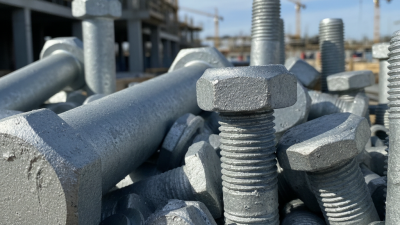
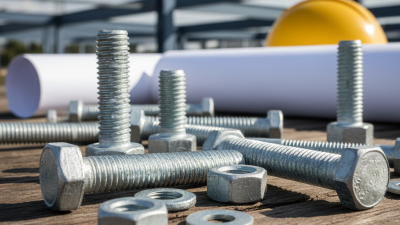
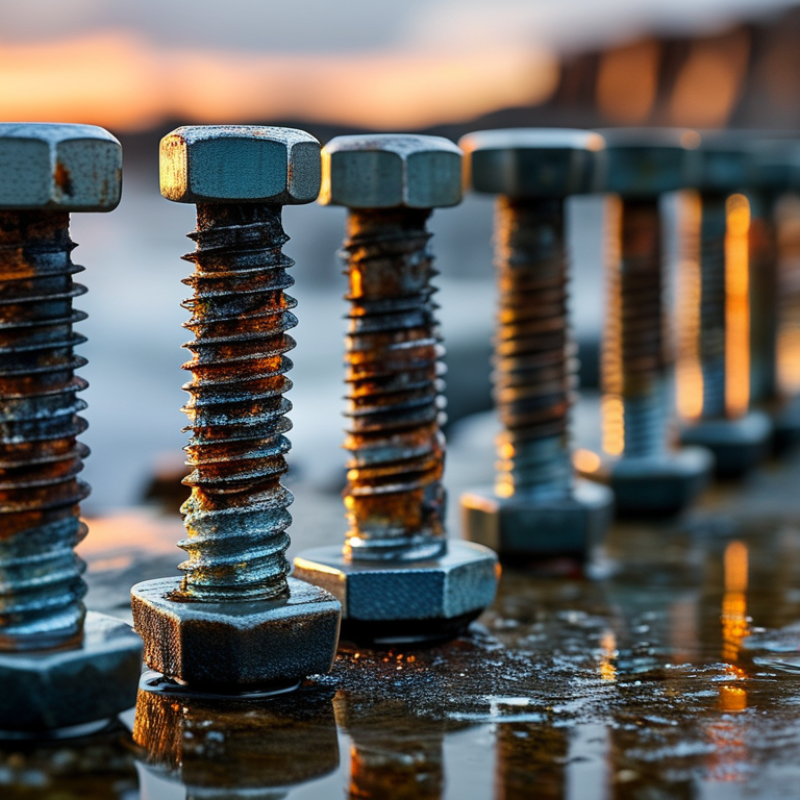
Hot dip galvanised bolts are essential in construction and manufacturing. They undergo a specific manufacturing process that enhances their durability and corrosion resistance. The process begins with cleaning the steel bolts to remove any surface contaminants. This ensures optimal adhesion of the zinc coating. After cleaning, the bolts are immersed in a bath of molten zinc at around 450 degrees Celsius. This creates a metallurgical bond, resulting in a tough and protective layer.
The galvanisation process not only extends the life of the bolts but also improves their performance in harsh environments. This is particularly important for structures exposed to moisture or corrosive elements. However, it is crucial to maintain quality control during manufacturing. Inconsistencies can lead to failure under load, which poses risks. Some bolts may exhibit uneven coatings, compromising their effectiveness.
The choice of hot dip galvanised bolts is often about balancing performance and cost. While they are generally more expensive than standard bolts, their longevity can lead to savings over time. It’s worth noting that improper installation can undermine their benefits. Understanding the complexities of this process helps make informed decisions for construction projects, ensuring safety and reliability.
Advantages of Using Hot Dip Galvanised Bolts in Construction
Hot dip galvanised bolts offer significant advantages in construction. Their primary benefit is corrosion resistance. Unlike regular bolts, these are coated with zinc through a hot dip process. This creates a durable barrier against moisture and environmental elements. In structures exposed to harsh conditions, this protection is crucial. The longevity of hot dip galvanised bolts can exceed that of standard steel bolts by several decades.
Another advantage is mechanical strength. These bolts maintain their structural integrity even in extreme conditions. This is particularly important in projects where safety is a priority. Additionally, their rough coating improves grip and reduces loosening over time. This reliable performance is why many construction professionals prefer them.
One could argue that the cost of hot dip galvanised bolts is higher upfront. However, considering their lifespan and reduced maintenance needs, they often prove to be a cost-effective choice. While they might not be suitable for every application, their advantages in specific environments cannot be overlooked. Construction teams must weigh these factors carefully when selecting materials.
Common Applications of Hot Dip Galvanised Bolts in Various Industries
Hot dip galvanised bolts have become essential across various industries due to their superior corrosion resistance. A recent industry report indicates that approximately 80% of structural failures stem from corrosion-related issues. These bolts are used extensively in construction, transportation, and marine applications. In construction, for example, they provide durability in both residential and commercial buildings, where exposure to moisture can be significant.
The transportation sector values hot dip galvanised bolts for their strength. Data shows that around 70% of infrastructure maintenance budgets are allocated to combat corrosion. Bridges and highways benefit from bolts that withstand harsh weather. In marine applications, where saltwater can wreak havoc, these bolts ensure long-lasting structural integrity. Their ability to resist corrosion not only extends the lifespan of the structures but also reduces maintenance costs significantly.
Some industries still overlook hot dip galvanised bolts for specific applications, often choosing cheaper alternatives. This choice can lead to increased repair costs and safety risks. Balancing cost and performance is critical. Awareness is growing, but some sectors need more education on long-term benefits. As more data becomes available, decision-makers will need to reconsider their approach to selecting fasteners. The potential long-term savings from using hot dip galvanised bolts can far exceed initial costs.
Comparison of Hot Dip Galvanised Bolts with Other Corrosion-Resistant Fasteners
Hot dip galvanised bolts are a popular choice for various applications due to their exceptional corrosion resistance. Unlike standard fasteners, these bolts are coated in a layer of zinc, providing a robust barrier against environmental factors. This zinc layer helps prevent corrosion over time. However, when comparing them to other corrosion-resistant fasteners, there are important factors to consider.
Stainless steel bolts, for example, also provide excellent corrosion resistance but can be more expensive. They resist rust well but may not be as durable in harsh environments as hot dip galvanised bolts. In contrast, nylon and plastic fasteners are lightweight and resistant to specific chemicals. However, they may not provide the same strength or longevity as metal options.
For proper selection, consider the specific environment and load requirements of your project. Ensure you evaluate the application’s needs before choosing the right fastener. Evaluate both cost and performance. Pay attention to the installation process and check if extra equipment is needed. Maintenance is key too; regular inspections can help identify corrosion early and prevent damage.
Maintenance and Care Tips for Hot Dip Galvanised Bolts
Hot dip galvanised bolts are known for their durability and corrosion resistance. However, proper maintenance is crucial for their longevity. Regular inspections can identify wear and corrosion early, preventing costly replacements. Check for any signs of rust or flaking. Remove surface contaminants using a wire brush or mild detergent. Ensure they are properly tightened to avoid any structural issues.
Cleaning is essential, but do not use abrasive materials as they can damage the protective coating. In humid environments, consider applying a thin layer of protective oil. This adds an extra barrier against moisture. Store spare bolts in a dry, cool place to prevent any oxidation. Remember, even high-quality materials require attention and care.
Maintaining hot dip galvanised bolts is not just about looks. It's about safety and functionality. A small oversight can lead to significant issues. Before installation, ensure the surfaces are clean. Proper installation techniques also enhance durability. Relying on visual checks alone may not suffice—schedule periodic professional assessments for the best results. A little effort in maintenance can lead to a substantial increase in the lifespan of these bolts.