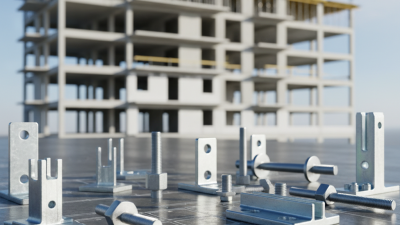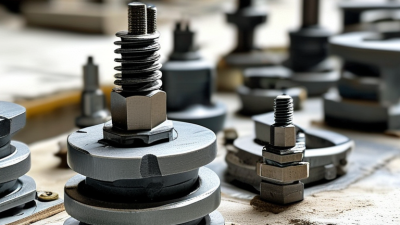
China’s cast-in fixings industry is becoming more important in industrial, commercial, and infrastructure construction. Cast-In Fixings are installed before concrete placement. Their position cannot be corrected easily later.
Grand View Research valued the global construction fasteners market at approximately USD 84.9 billion in 2023. Its report projects continued growth through 2030. This figure covers many fastening products, not Cast-In Fixings alone. That limitation matters. Market estimates should not be treated as direct proof of manufacturer quality.
China offers a broad supplier base. It includes headed studs, anchor plates, cast-in channels, threaded sleeves, and custom embedded assemblies. Some factories operate advanced CNC, welding, and coating lines. Others mainly compete on price. The difference may appear in small details: thread protection, weld penetration, plate thickness, and packaging accuracy. These details can affect installation on a crowded concrete site.
Professor Rolf Eligehausen, a widely recognized anchorage researcher, has emphasized a practical principle: “The performance of an anchor depends on the connection, the concrete, and the installation.” This point deserves attention. A strong product can still fail through poor positioning or inadequate inspection. EN 1992-4 and ACI 318 Chapter 17 provide useful design references, but certification and traceability remain essential.
This guide reviews China’s top ten Cast-In Fixings manufacturers through a practical lens. Production capability, testing evidence, export experience, customization, and quality control all matter. Rankings are never perfect. Buyer requirements differ. A bridge project may prioritize fatigue resistance, while a factory floor may prioritize installation speed. The best supplier is not always the largest one.
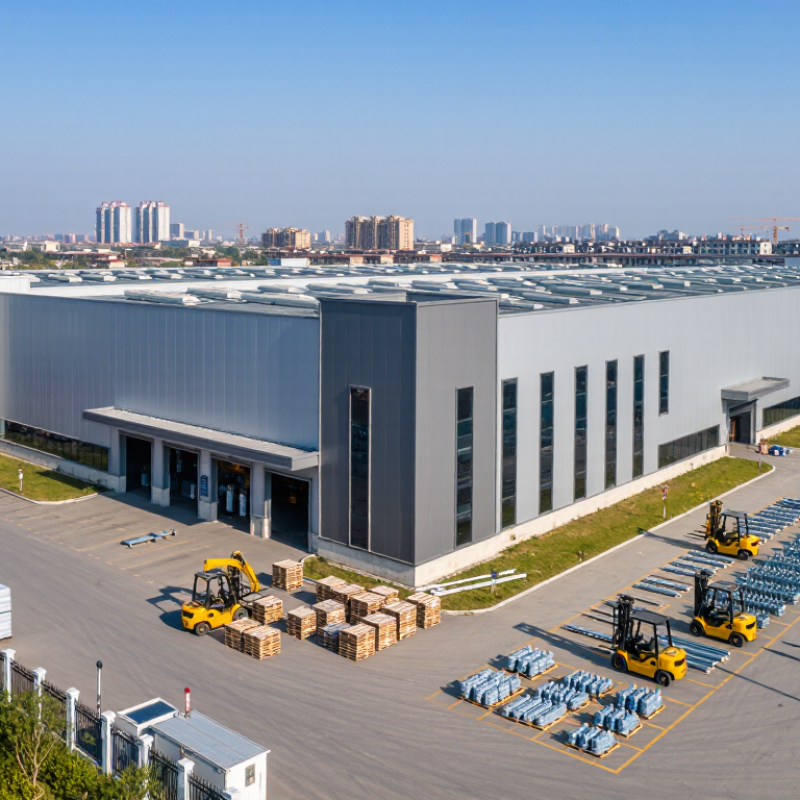
Cast-in fixings are steel components installed before concrete is poured. They include anchor channels, headed studs, embedded plates, and threaded sleeves. After curing, they connect façades, barriers, pipes, machinery, and structural frames to the concrete. The process looks simple. It is not.
A fixing transfers load through mechanical anchorage, concrete bearing, bond, or a combination of these actions. A headed stud, for example, creates resistance beneath its welded head. An embedded plate spreads forces across a larger concrete area. Engineers check tension, shear, edge distance, spacing, corrosion protection, and concrete strength under standards such as ACI 318 and EN 1992-4. Placement also matters. A few millimeters of movement can complicate installation later.
The scale explains the demand. The USGS Mineral Commodity Summaries 2024 estimated global cement production at about 4.1 billion metric tons in 2023. That volume supports a large market for embedded connection systems, including China’s leading manufacturers. However, market share alone proves little. Quality records, welding procedures, dimensional control, and project testing deserve closer attention. The Global Status Report for Buildings and Construction 2023 reported that buildings and construction represented about 37% of global energy-related emissions and process emissions. Durable fixings can reduce replacement work, but only when designed correctly. Sometimes, the drawing is perfect and the site execution is not.
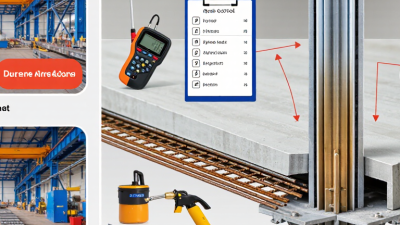
Cast-in fixings shape how safely a structure transfers loads into concrete. The main types include cast-in channels, anchor plates, headed studs, anchor rods, and lifting anchors. Each serves a different load path. Channels support adjustable connections for façades, ceilings, and mechanical services. Anchor plates provide concentrated support for steelwork and equipment. Headed studs develop strong tension and shear resistance when embedded correctly.
The 2024 Global Status Report for Buildings and Construction states that buildings consume about 32% of global energy and produce approximately 34% of energy-related carbon emissions. This strengthens the case for durable fixing systems. Longer service life can reduce replacement work, waste, and maintenance access.
Material choice still matters. Stainless steel suits aggressive environments, while galvanized carbon steel often fits controlled indoor conditions. Fire exposure, seismic movement, edge distance, and concrete strength require documented design checks.
Details matter more than catalogue claims. A fixing can look oversized yet perform poorly with shallow embedment. Site teams should verify positioning before concrete placement, especially around dense reinforcement.
Tolerance is often underestimated. According to structural fastening guidance from the European Organisation for Technical Assessment, resistance depends on installation quality, substrate conditions, and assessed product performance.
I would not rank manufacturers by product count alone. Factory quality control, test evidence, traceability, and technical support deserve equal attention. One practical weakness remains: drawings may specify the fixing, but not the inspection method. That gap needs correction.
When evaluating cast-in fixings manufacturers in China, inspect evidence, not catalog promises. The World Steel Association reported 1,019.1 million tonnes of Chinese crude steel production in 2023. That scale supports strong sourcing capacity, but it does not prove consistent anchor quality. Request heat numbers, mill certificates, and batch-level traceability. Check whether the supplier tests tensile strength, weld integrity, dimensional tolerance, and corrosion protection. For structural applications, compare procedures with EN 1992-4, EN 1090, or the project’s required standards.
Factory experience matters. Ask to see calibrated testing equipment and recent third-party reports. Review production records for thread gauges, slot dimensions, coating thickness, and concrete-interface cleanliness. The ISO Survey 2022 recorded 1,077,884 ISO 9001 certificates in China, yet certification alone cannot replace technical audits. A supplier should explain nonconforming-product control clearly. Vague answers are a warning.
Tips: Compare three samples from different batches. Measure them yourself. Request a witnessed load test when risk is high. Confirm packaging protects threads from impact and moisture. Also review lead times, tooling control, engineering support, and export documentation. A low quotation can look attractive, although it may exclude testing or protective treatment. I have seen specifications accepted too quickly; that remains an avoidable weakness. Ask for a written deviation list before approval.
China’s top 10 cast-in fixings manufacturers are often judged by more than production volume. A reliable shortlist should include factories with controlled steel sourcing, accurate threading, and documented heat-treatment procedures. Their products commonly support precast panels, concrete beams, façade systems, and industrial platforms.
In practical factory reviews, I would examine anchor channels, lifting sockets, embedded plates, and threaded inserts separately. Each product requires different tolerances and installation checks. Look for mill certificates, batch numbers, dimensional inspection records, and clear load-test reports. Pull-out testing should reflect the concrete grade and embedment depth used on site. Salt-spray data also matters for exposed applications, although laboratory results cannot fully predict coastal conditions.
Communication is another useful measure. Strong manufacturers can interpret drawings, recommend suitable coatings, and provide samples before mass production. Short lead times help, but rushed tooling can create hidden defects. That happens.
A careful buyer should compare ten suppliers using the same checklist. Check factory capacity, quality personnel, mold control, packaging, and corrective-action records. Factory audits remain valuable, even when documents look complete. One weakness is that some published test data lacks enough context for direct comparison. Ask for recent, traceable evidence instead of accepting impressive figures alone. Based on project experience, the best supplier is not always the largest one; it is the one that consistently matches design requirements, inspection expectations, and installation realities.
| Rank | Manufacturer Profile | Main Cast-In Products | Common Materials | Applicable Standards | Surface Finishes | Customization | Typical Export Markets | Typical Lead Time |
|---|---|---|---|---|---|---|---|---|
| 1 | Profile A | Cast-in channels, anchor bolts, embedded plates | Carbon steel, stainless steel, ductile iron | EN 1090, ISO 898-1, ASTM F1554 | Hot-dip galvanized, zinc plated, plain | Hole spacing, length, thread size, plate geometry | Europe, North America, Southeast Asia | 3–6 weeks |
| 2 | Profile B | T-headed anchor channels, channel nuts, fixing brackets | Low-carbon steel, stainless steel A2 and A4 | EN 10346, ISO 3506, ASTM A240 | Electro-galvanized, hot-dip galvanized, passivated | Custom profiles, rolled lengths, slot dimensions | Australia, Middle East, Europe | 4–7 weeks |
| 3 | Profile C | Precast concrete inserts, lifting anchors, ferrules | Carbon steel, alloy steel, stainless steel | EN 10025, ISO 898-1, ASTM A193 | Black oxide, zinc plated, galvanized | Load rating, anchor length, head design, thread type | Europe, Latin America, Asia-Pacific | 3–5 weeks |
| 4 | Profile D | Embedded plates, welded studs, structural brackets | S235/S275/S355 steel, stainless steel | EN 10025, EN ISO 13920, AWS D1.1 | Shop primer, epoxy coating, hot-dip galvanized | Plate thickness, stud arrangement, weld configuration | North America, Europe, Gulf countries | 5–8 weeks |
| 5 | Profile E | Rail fixing inserts, cast-in sockets, threaded sleeves | Alloy steel, stainless steel, ductile iron | ISO 898-1, ISO 3506, ASTM A536 | Zinc flake, galvanized, corrosion-resistant passivation | Thread size, socket depth, tensile class, geometry | Southeast Asia, Europe, Africa | 4–8 weeks |
| 6 | Profile F | Facade fixing anchors, concrete inserts, support angles | Stainless steel 304/316, galvanized steel | EN 1993, ISO 3506, ASTM A276 | Mill finish, brushed, passivated, galvanized | Bracket dimensions, anchor spacing, drainage details | Europe, Canada, Oceania | 4–6 weeks |
| 7 | Profile G | Solar mounting embeds, foundation bolts, cable support inserts | Carbon steel, stainless steel, aluminum alloy | ISO 898-1, EN 1090, ASTM F1554 | Hot-dip galvanized, anodized, zinc plated | Bolt diameter, base-plate pattern, embedment depth | North America, Australia, Middle East | 3–6 weeks |
| 8 | Profile H | Mechanical and electrical cast-in channels, conduit inserts | Pre-galvanized steel, stainless steel, aluminum | EN 10346, IEC 61537, ISO 9227 | Pre-galvanized, hot-dip galvanized, powder coated | Channel width, slot pattern, coating thickness | Europe, Asia-Pacific, South America | 4–7 weeks |
| 9 | Profile I | Tunnel inserts, precast lifting systems, utility anchors | High-strength steel, ductile iron, stainless steel | EN 10025, ISO 898-1, ASTM A370 | Galvanized, epoxy coated, plain steel | Working load, safety factor, anchor shape, hole layout | Europe, Middle East, Africa | 5–9 weeks |
| 10 | Profile J | Custom embedded assemblies, anchor cages, welded fixings | Carbon steel, stainless steel, alloy steel | EN 1090, ISO 3834, ISO 898-1 | Primer coated, galvanized, powder coated | Complete drawing-based fabrication and welding | Asia-Pacific, Europe, North America | 6–10 weeks |
Note: Company identities are intentionally omitted. Product specifications, standards, finishes, and lead-time ranges represent commonly used requirements and manufacturing practices for cast-in fixing products supplied from China.
China Top 10 Cast-In Fixings Manufacturers?
Selecting China’s top ten cast-in fixing manufacturers requires more than checking export volume. Cast-in anchor bolts, headed studs, anchor channels, and embedded plates serve precast concrete, façades, bridges, and heavy MEP supports. According to the World Steel Association’s 2024 statistical release, China produced about 1.019 billion tonnes of crude steel in 2023. This scale supports broad material availability, but it does not prove consistent fixing quality.
Applications must match design standards. EN 1992-4:2018 covers the design of fastenings in concrete, including tension, shear, edge distance, and concrete failure. In North America, ACI 318-19 Chapter 17 addresses anchoring to concrete. Buyers should request mill certificates, coating records, welding qualifications, and batch-level tensile results. Factory audits should also inspect thread protection, dimensional control, and traceability. One overlooked issue is installation tolerance. A precise drawing can still fail when fixing locations shift during rebar placement.
Tips: Compare suppliers using the same specification sheet. Define steel grade, diameter, embedment, coating, weld type, and inspection plan. Ask for independent test reports, not only internal certificates. The World Steel Association data indicates strong industrial capacity, yet capacity can hide uneven process control. That deserves scrutiny. A low quotation may reflect thinner coatings, weaker documentation, or unpriced inspection work. Small details matter. Consider a sample installation and pull-out test before approving bulk production.