Leave Your Message

What Are the 2026 Top Types of Pipe Support Base Plates?

In 2026, Pipe Support Base Plate selection is becoming a precision decision, not a routine purchasing task. Modern plants face heavier equipment, thermal movement, vibration, corrosion, and tighter installation schedules. Recent market analyses from Grand View Research and MarketsandMarkets identify continued growth in industrial piping infrastructure, especially across energy, chemical processing, and power-generation projects. These trends are increasing demand for stronger, adjustable, and corrosion-resistant support solutions.

George A. Antaki, author of Piping and Pipeline Engineering, emphasizes, “Piping systems must be designed as complete systems, not isolated components.” That principle matters at the base plate. A welded carbon-steel plate may suit a fixed anchor. A galvanized plate can perform better in humid service. Stainless steel may be necessary near corrosive chemicals. Sliding plates, adjustable plates, and spring-support plates address movement differently.

Small detail. Large consequence.

This guide examines the leading Pipe Support Base Plate types expected in 2026. It considers load capacity, material grade, anchor arrangement, thermal expansion, field adjustment, and maintenance access. ASME B31.1, ASME B31.3, and MSS SP-58 provide essential design references, although project specifications often add stricter requirements. Base plates are sometimes treated as simple accessories. That assumption deserves reconsideration. A poorly aligned plate can transfer stress into clamps, shoes, welds, or nearby equipment. The “best” type depends on service conditions, not popularity alone. Industry reports offer useful direction, but site experience still exposes details that spreadsheets can miss.
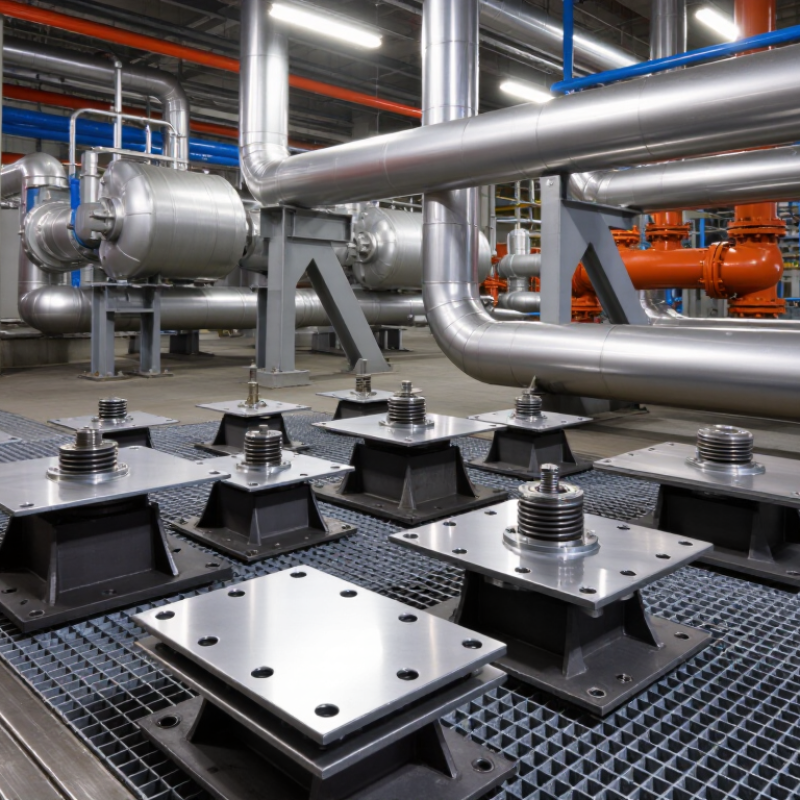
What Are the 2026 Top Types of Pipe Support Base Plates?

Definition and Role of Pipe Support Base Plates

What Are the 2026 Top Types of Pipe Support Base Plates?

Definition and Role of Pipe Support Base Plates

A pipe support base plate is the load-spreading interface beneath a pipe shoe, clamp, or structural support. It transfers weight into concrete, steel, or a foundation. The plate also limits local stress, settlement, and unwanted movement.

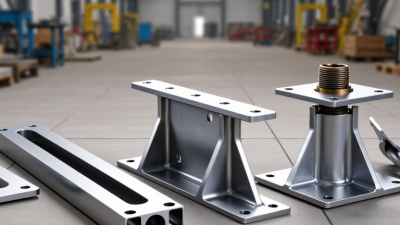
For 2026 projects, common designs include welded, bolted, slotted, and adjustable base plates. Welded plates suit permanent support frames and high-load lines. Bolted versions simplify replacement during maintenance. Slotted plates allow controlled thermal movement. Adjustable plates help correct uneven elevations, although adjustment mechanisms can introduce new inspection points.

Practical selection starts with load paths, not appearance. Engineers should check vertical loads, friction, wind, vibration, anchor forces, and thermal expansion. ASME B31.1 and MSS SP-58 provide recognized guidance for piping design and support selection. The IMPACT corrosion study estimated global corrosion costs at about 2.5 trillion dollars annually, equal to roughly 3.4% of global GDP. That figure makes drainage, coating, and material choice difficult to ignore.

A well-designed plate needs adequate thickness, edge distance, and anchor capacity. It should also prevent water from remaining beneath the steel. Small gaps matter. Field experience shows that drawings often assume perfectly level foundations, but sites rarely cooperate. This is where adjustable details and deliberate inspection become valuable.
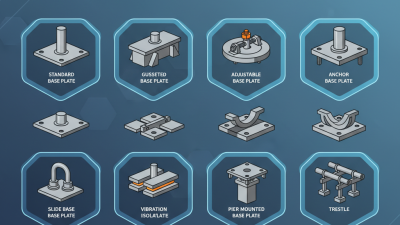
Key Types of Pipe Support Base Plates in 2026

In 2026, pipe support base plates are designed for stability, movement, and installation speed.

The key types include fixed anchor plates, sliding plates, adjustable plates, and spring-support plates. Each type serves a different pipe behavior.

Fixed plates hold the support firmly against horizontal movement.

Sliding plates allow controlled expansion along a pipe rack.

Adjustable plates help correct uneven floors or changing support elevations.

Spring-support plates manage vertical loads when thermal movement changes the pipe position.

Welded steel base plates remain common for heavy industrial systems.

They offer strong load distribution across concrete or structural steel. Stainless steel versions suit corrosive or hygienic environments. Galvanized plates can improve outdoor durability, but surface damage still needs inspection. Composite plates reduce weight and may help prevent corrosion between dissimilar materials. However, their load limits require careful verification.

A thicker plate is not automatically safer. Poor anchoring can still cause rotation, vibration, or cracking around the support.

Tips:

  • Check pipe weight, insulation thickness, temperature movement, and anchor spacing before selecting a plate.
  • Keep drainage paths clear around outdoor supports.
  • Inspect welds, bolt holes, and coating damage during installation.
  • A small alignment error matters.

I have seen support layouts fail because field measurements were assumed rather than confirmed. Review calculations with a qualified engineer, especially for seismic, vibrating, or high-temperature piping.

Materials, Coatings, and Structural Design Features

What Are the 2026 Top Types of Pipe Support Base Plates?

Material selection now depends on load, moisture, temperature, and maintenance access. Carbon-steel base plates remain practical for indoor utility lines. Hot-dip galvanized steel suits damp areas, but cut edges need inspection. Stainless steel performs better near salt spray, washdown zones, and corrosive process fluids. It costs more. Sometimes, that is the honest answer.

Coating choice must match the exposure, not the purchasing habit. The NACE IMPACT study estimated global corrosion costs at about 3.4% of worldwide gross domestic product. That figure explains why epoxy-coated plates and duplex protection remain important. ISO 12944 exposure categories help engineers compare atmospheric risks, while field checks reveal failures that drawings miss. I have seen excellent coatings damaged by sharp anchor threads and careless handling.

Structural design is changing, too. Slotted holes simplify alignment. Stiffened plates reduce bending around heavily loaded supports. Welded gussets improve rigidity, while bolted assemblies can speed replacement. Designs should verify anchor tension, shear, plate deflection, and concrete bearing under applicable structural standards. ASME B31.3 remains a key reference for process piping flexibility and support coordination. A thicker plate is not automatically safer. It may hide poor load paths, uneven grout, or weak anchors. For 2026 projects, the strongest option is usually a corrosion-matched, stiffened plate with inspectable connections and realistic installation tolerances.

How to Select a Base Plate for Different Piping Systems

What Are the 2026 Top Types of Pipe Support Base Plates?

Selecting a base plate starts with movement, load, and site conditions. A flat plate suits small, fixed supports on concrete. A saddle plate distributes pipe weight and reduces local stress. For hot lines, guided or sliding plates allow controlled movement. Spring-support base plates help when vertical loads change during operation. MSS SP-58-2018 provides guidance on support materials, load handling, and installation practices. ASME B31.3 also requires piping flexibility and support design to protect connected equipment.

Temperature matters greatly. Carbon steel expands about 0.012 millimetres per metre for each Celsius degree. Stainless steel expands closer to 0.017 millimetres. These values should be checked against project specifications and material certificates. A 30-metre stainless line exposed to a 200°C temperature rise may move about 102 millimetres. That movement can tear a rigid attachment from its base. It happens more often than drawings suggest.

Corrosion changes the choice again. The World Steel Association reported 1,892.6 million tonnes of crude steel production in 2023, yet high steel availability does not make every plate suitable. Coastal, chemical, and buried environments may require coatings, isolation pads, or corrosion-resistant materials. Inspectors should verify welds, anchor bolts, grout condition, and drainage around the plate. A clean-looking support can still hide loosened anchors. I would not select a plate from load capacity alone. Process temperature, vibration, installation tolerance, and future inspection access deserve equal attention.

Installation, Inspection, and Maintenance Requirements

What Are the 2026 Top Types of Pipe Support Base Plates?

Installation, Inspection, and Maintenance Requirements

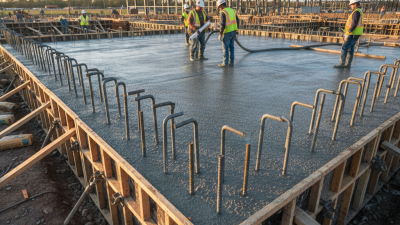
In 2026, common base plate options include flat, slotted, anchor, and welded plates. Each type transfers pipe loads into steel, concrete, or structural frames differently. Before installation, confirm the design load, plate thickness, hole pattern, and support elevation. Check the supporting surface for cracks, oil, loose grout, and uneven contact. Small gaps can create large stresses.

Installers should align the plate with the pipe centerline and preserve required movement. Tighten anchor bolts evenly, using the approved torque values. Do not force a misaligned support into position. That shortcut can overload nearby welds or distort the pipe. Outdoor plates need drainage paths, suitable coatings, and protection from standing water. Field conditions rarely match drawings perfectly.

Inspection should cover cracks, bent edges, loose bolts, damaged welds, corrosion, and settlement. Look beneath the plate, not only at its visible face. A flashlight helps reveal rust trails and grout separation. During maintenance, remove debris and repair coating damage with compatible materials. Replace plates showing severe distortion or reduced metal thickness. Record measurements, photographs, repairs, and inspection dates. One detail is often missed: changes in pipe vibration or temperature movement may indicate hidden support failure. If findings conflict with the design documents, pause the work and request qualified engineering review.