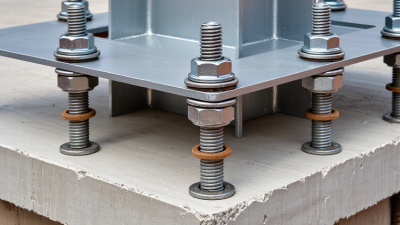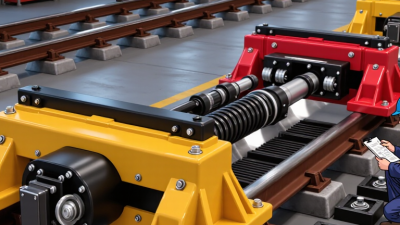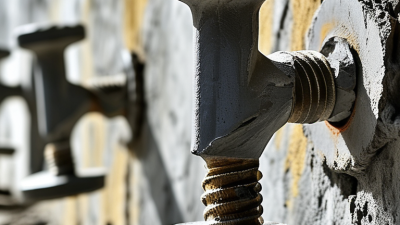
Anchoring Cements are often treated as a simple purchase: choose a product, fill the hole, and tighten the fixture. Real installations are less forgiving. A dusty bore, damp concrete, low temperature, or rushed curing time can change how an anchoring system performs. A label alone cannot reveal whether a cement suits cracked concrete, overhead work, heavy machinery, or a small handrail.
Concrete-materials expert Dr. Sidney Mindess has studied how composition and testing shape material performance. A buyer-focused paraphrase of his research perspective is: “Choose by the material and conditions—not by the product name alone.” It is a useful rule, though no single rule replaces the manufacturer’s instructions or project-specific engineering.
This guide introduces ten common types of Anchoring Cements, from cementitious grouts to resin-based systems and cartridge products. It considers where each type may fit, what buyers should check, and which practical details are easy to miss. Look closely at substrate condition, hole preparation, working time, curing requirements, and installation method. A cartridge may be convenient on a repair job. It may be the wrong choice for a different load or environment. Small details matter.
And labels can mislead. Product names and formulations vary by manufacturer, so compare technical data sheets rather than relying on category names alone. The right choice is not always the most expensive or strongest-sounding option. It is the one documented for the actual substrate, anchor, and service conditions—with installation steps that the crew can reliably follow.

Anchoring cement transfers loads from a steel rod or base plate into concrete. Its bond depends on more than cement strength. Grout must fill the annular gap, wet the hole walls, and resist shrinkage as it cures. Dust, standing water, or a hole drilled too wide can weaken contact. Small details matter. On site, clean holes are often harder to achieve than drawings suggest.
The scale of cement use is substantial: the U.S. Geological Survey’s Mineral Commodity Summaries 2024 estimated U.S. cement production at 91 million metric tons in 2023. That figure describes the wider material supply, not the bond strength of any anchoring product. For engineered adhesive anchors, ACI 355.4-19 evaluates performance under conditions including cracked concrete, moisture, temperature, and sustained loading. These checks show why a single laboratory strength value cannot represent every installation.
For buyers comparing cementitious anchoring grouts, check the stated substrate, hole dimensions, curing conditions, and tested load capacity. A grout that performs well in a dry, clean hole may behave differently in damp concrete. That changes everything. Ask for test documentation tied to the intended installation, and follow the specified mixing and curing process. Field results can still vary; workmanship is not perfectly repeatable.
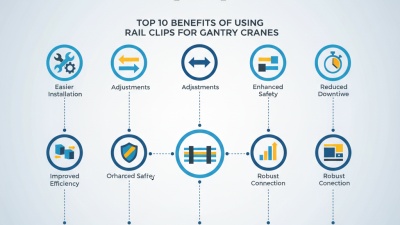
Anchoring cement fills the gap around an anchor and transfers load to the surrounding base material through adhesion, mechanical interlock, and confinement. The chart shows broad, indicative 28-day compressive-strength ranges in MPa—not bond-strength ratings. Actual values vary by formulation, installation, and test method.
Compressive strength alone does not determine anchor capacity. Check the product data and verify compatibility with the anchor, base material, hole condition, and load requirements.
When comparing anchoring cements, start with the job conditions, not the product label. Epoxy, cementitious grout, polyester, and other formulations can differ in bond strength, setting behavior, and moisture tolerance. Check the technical data sheet for tested values and the conditions behind them. A strength figure means little if it was measured under different temperatures or curing conditions than your project.
Setting time affects more than convenience. A fast-setting cement may help when equipment needs to return to service quickly, but it leaves less time for positioning and cleanup. Compare compressive strength, bond performance, shrinkage, and resistance to water or chemicals relevant to the site. Also check the recommended hole diameter, embedment depth, and curing temperature. Small details matter. If the anchor will carry repeated loads, seek design guidance rather than relying on a single strength value.
Tips: Read the installation instructions before choosing. Check whether the material suits damp holes, and note the minimum application temperature. For a field comparison, record working time, cure time, and the surface condition. One caveat: published figures may not match a rough, dusty jobsite. Confirm assumptions, and allow for installation variability.
“Anchoring cement” covers both mineral grouts and resin-based anchor materials. Portland cement grout suits routine base plates and large cavities. Non-shrink grout helps limit gaps beneath loaded equipment. Rapid-setting grout is useful when downtime matters. Microfine cement can penetrate narrower cracks and voids. Polymer-modified grout improves adhesion on some difficult substrates. Check the product’s limits; “strong” alone tells you little.
Epoxy anchors often provide high bond strength in clean, prepared holes. Polyester resin is commonly selected for lighter-duty installations. Vinylester can suit demanding conditions, including some damp-hole applications, when its specifications allow. Polyurethane grout is used more often for water-infiltration control than for structural anchoring. Hybrid cement-resin systems combine mineral and polymer components. Fit matters. Hole diameter, embedment depth, temperature, moisture, and curing time all affect performance.
The USGS Mineral Commodity Summaries 2024 estimated global cement production at about 4.1 billion metric tons in 2023. That scale makes cement-based options familiar, but not automatically right for every anchor. The International Energy Agency’s 2023 Cement report notes that cement production accounts for roughly 7% of global CO₂ emissions. Buyers can weigh material quantity alongside load requirements. A frequent purchasing mistake is treating grout and adhesive anchors as interchangeable. They are not always. Follow the relevant installation instructions and verify suitability for the base material.
Cementitious and non-shrink grouts suit dry, stable holes where a broad bearing surface matters. They are less forgiving of standing water, cold substrates, and rushed loading. Rapid-setting hydraulic mixes help when fixtures need early support, but their short working time can leave voids around deep rods. Epoxy and vinylester adhesives often provide stronger bonding in confined holes; moisture tolerance varies by formulation. Polyester systems can be economical for light-duty work, yet heat and sustained loads deserve close attention. Small details matter. Dust left at the bottom of a drilled hole can reduce contact, whatever the cement type.
Temperature is a practical divider. ASTM C881 classifies epoxy bonding systems by application temperature: Class A below 4°C, Class B from 4°C to 16°C, and Class C above 16°C. These ranges are not a substitute for checking an anchor’s specific approval. ACI 355.4 qualification criteria examine adhesive anchors in conditions including cracked concrete, sustained loading, moisture, and elevated temperature. That testing framework matters for overhead rods and exterior fixings, where creep or water exposure can change performance. Read the tested substrate and cure schedule, not just the headline strength. And be cautious: a laboratory result does not fully reproduce a dusty hole on a cold, windy site.
| Type | Typical Composition or Feature | Best-Suited Conditions | Performance Characteristics | Important Limitations |
|---|---|---|---|---|
| 1. Standard Portland-Cement Grout | Portland cement, water, and graded fine aggregate; may include a grout admixture. | General anchoring in sound concrete or masonry where the installation can be kept damp during curing. | Widely available and economical; provides a mineral-based bond and fills irregular annular spaces. | Strength develops over time. Not suitable for applications requiring immediate loading, and excessive mixing water can reduce strength and increase shrinkage. |
| 2. Non-Shrink Cementitious Grout | Cement-based grout formulated to limit settlement and shrinkage after placement. | Base plates, anchor rods, and equipment supports where close contact with the bearing surface is important. | Designed to maintain contact around embedded items and transfer bearing loads when correctly mixed and cured. | “Non-shrink” performance depends on proper water dosage, placement, and curing. Follow the specified grout thickness and installation instructions. |
| 3. Rapid-Hardening Cement Grout | Fast-setting cementitious formulation, sometimes based on rapid-hardening or calcium-aluminate cement. | Repairs and anchoring work where early return to service is important and site conditions suit the product. | Can gain usable strength sooner than conventional Portland-cement grout. | Working time is often limited. Mixing, placement, and loading must follow the product’s temperature-dependent timing and strength requirements. |
| 4. High-Early-Strength Cement Grout | Portland-cement-based blend designed to develop strength relatively quickly. | Projects needing earlier loading than standard grout can provide, without necessarily requiring an extremely fast set. | Offers a balance between placement time and earlier strength development, subject to curing conditions. | Early strength is not the same as full design strength. Cold temperatures and inadequate curing can slow strength gain. |
| 5. Expansive Cementitious Grout | Cementitious grout using controlled expansion to compensate for settlement or shrinkage. | Anchors and embedded components where a tight grout-to-substrate contact is required. | Controlled expansion can help reduce gaps around the embedded element when the grout is properly confined. | Expansion is formulation- and curing-dependent; it should not be treated as a substitute for correct hole geometry, embedment, or structural design. |
| 6. Microfine Cement Grout | Very finely ground cement intended to penetrate small openings more readily than conventional cement grout. | Selected crack or fissure injection and ground-improvement work where openings are too fine for ordinary cement particles. | Can penetrate some fine voids when particle size, mix design, pressure, and site conditions are suitable. | Not every microcrack is injectable. It is generally a specialist grouting material rather than a routine anchor-hole grout. |
| 7. Sulfate-Resistant Cement Grout | Grout made with cement selected for improved resistance to sulfate exposure. | Concrete or soil environments where sulfate-bearing groundwater or soil is identified as a durability concern. | Can improve resistance to sulfate-related deterioration when the full mix and exposure conditions are appropriate. | Does not protect against every chemical exposure. A project-specific durability assessment and compatible mix design may be needed. |
| 8. Underwater or Anti-Washout Cement Grout | Cementitious grout with admixtures intended to reduce washout and segregation in water. | Submerged or water-contact placements where ordinary grout could disperse before setting. | Designed to retain cohesion during placement in water and reduce loss of cement fines. | Requires suitable placement methods and controlled water flow. Verify the product is explicitly rated for the intended underwater use. |
| 9. Polymer-Modified Cementitious Grout | Cement-based grout modified with polymer additives to improve selected bonding or handling properties. | Applications where the specified system calls for improved adhesion or reduced permeability on a prepared substrate. | Polymer modification can improve certain performance characteristics compared with an unmodified cement mix. | Properties vary substantially by formulation. Surface preparation, moisture condition, and compatibility with the anchor material are important. |
| 10. Fiber-Reinforced Cement Grout | Cementitious grout containing fibers to help control cracking or improve cohesion. | Selected placements where crack control, cohesion, or resistance to minor handling damage is desired. | Fibers can help control plastic shrinkage cracking and improve the integrity of some grout mixes. | Fibers do not replace reinforcement or structural design. Confirm that the mix can flow and fully fill the anchor annulus. |
| Buyer’s note: These are general material categories, not interchangeable specifications. Actual setting time, strength, allowable embedment, hole preparation, water tolerance, and loading time depend on the formulation, temperature, substrate, and installation method. Check the current technical data sheet and obtain engineering approval for structural or safety-critical anchors. | ||||
Match the material to the load, base, and site conditions. Non-shrink cementitious grout suits baseplates and machinery beds, where gaps need filling and bearing support. Rapid-setting mixes help when downtime is limited, but their short working time can complicate placement. For threaded rods in concrete, adhesive anchors may be suitable; their performance depends on hole cleaning, cure temperature, moisture, and embedment depth. ACI 355.4-19 evaluates adhesive anchors under conditions including sustained loading, temperature, and seismic action. Use product-specific qualification data rather than treating all adhesives as interchangeable. Small details matter. USGS reported U.S. cement production of about 91 million metric tons in 2023, reflecting the scale of concrete construction—but the right anchoring material still depends on the actual substrate and exposure.
Tips: Check the design load, concrete condition, hole diameter, and installation temperature before choosing. For a steel column outdoors, confirm the grout’s flow and strength data at the expected service temperature. For overhead or damp-hole work, verify that the anchor system is qualified for that exact installation condition. Keep the technical data sheet and installation record with the project file. A clean hole is easy to overlook, yet dust can reduce bond reliability. Don’t assume a higher compressive-strength figure alone guarantees a better anchor.